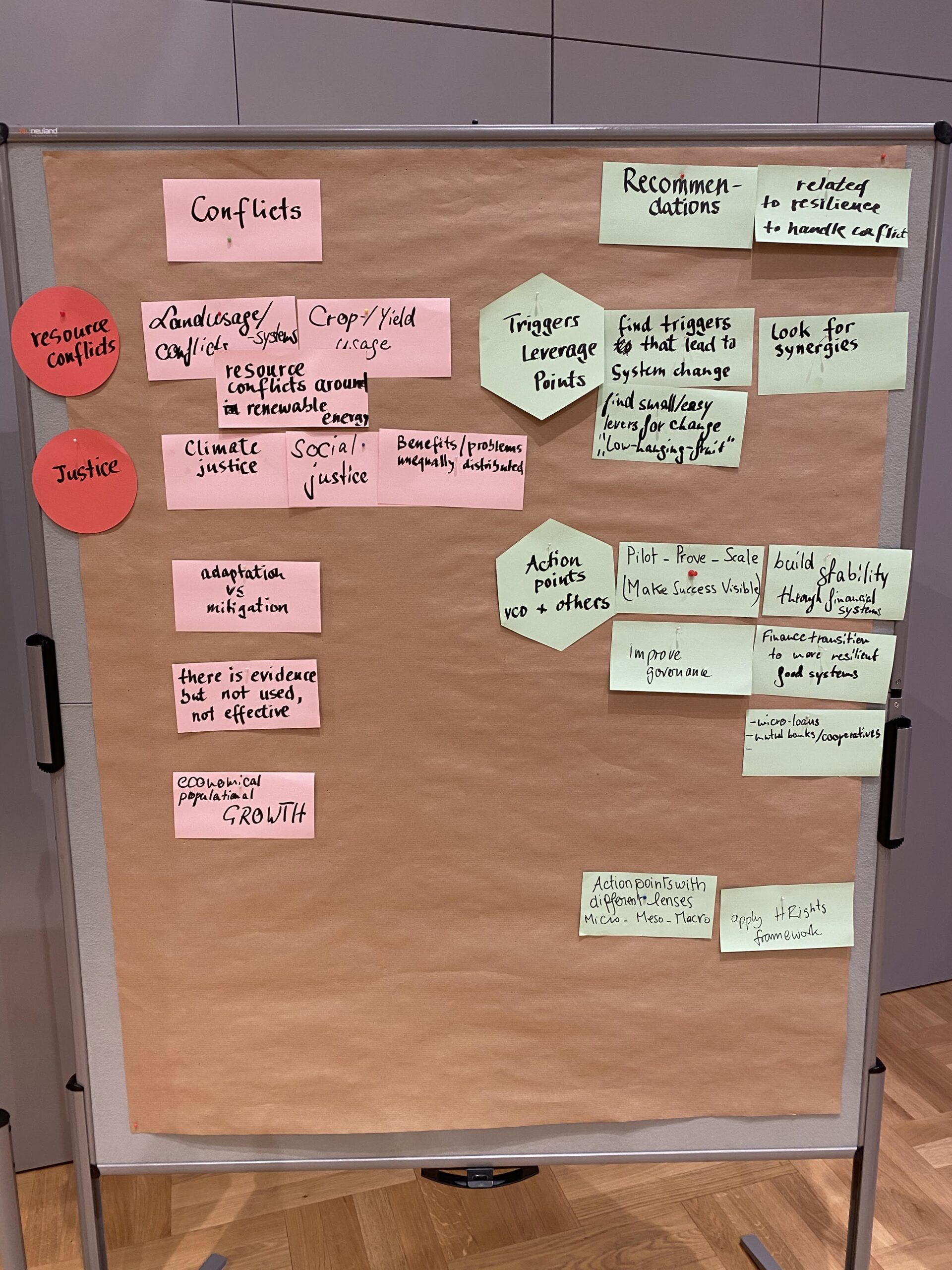
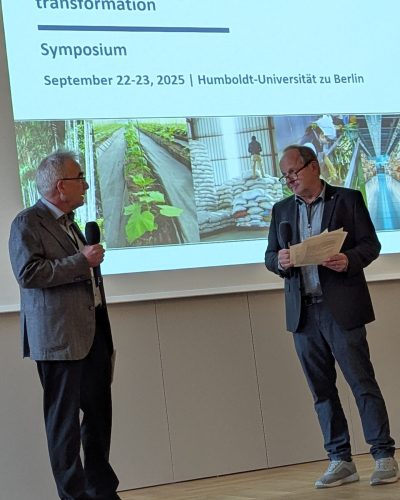
On 22 and 23 September 2025, the international symposium “The Role of Value Chain Development in Agri-Food Systems Transformation” took place at the main building of Humboldt-Universität zu Berlin. The event brought together experts from research, development, and policy to discuss how value chain approaches can contribute to broader agri-food systems transformation.
Participants
The symposium convened 36 invited international experts representing:
- United Nations organizations
- International research institutes
- Academic institutions
- Development agencies
- Representatives of national and international development policy
A broader audience participated virtually, accessing selected presentations online.
Introduction / Background
Over the past three decades, value chain development (VCD) has been widely used to enhance the socio-economic conditions of value chain actors, particularly smallholder farmers. At the same time, the concept of agri-food systems (AFS) has emerged, expanding the analytical lens to include ecological limits, food consumption, nutrition, and broader political and environmental contexts.
The symposium addressed the question of how VCD, traditionally focused on economic linkages and market integration, can evolve to become an effective driver of transformative change within broader agri-food systems. The objectives were to foster structured dialogue between researchers, practitioners, and policy-makers, explore systems thinking, agroecology, planetary boundaries, impact orientation, and the role of change agents, and derive actionable insights for the design of future value chain programs. The methods included keynote presentations, parallel interactive workshops, gallery walk visualizations, and World Café discussions, which allowed participants to actively engage, share experiences, and synthesize lessons across research, policy, and practice.
Central topic of the symposium
How can value chain development research and practice act as transformative agents within the broader agri-food systems, and how can their accumulated knowledge and instruments inform the next generation of programs conducive to systemic transformation?
This guiding question framed the structure of the symposium and serves as a transition to the detailed program, including keynote presentations, workshops, and plenary discussions
22.09.2025
Welcome & introduction
Objectives, motivation and guiding threads of the symposium
Celia Schmidt, Markus Hanisch (HU SLE) & Andreas Springer-Heinze (IVLA e.V.)
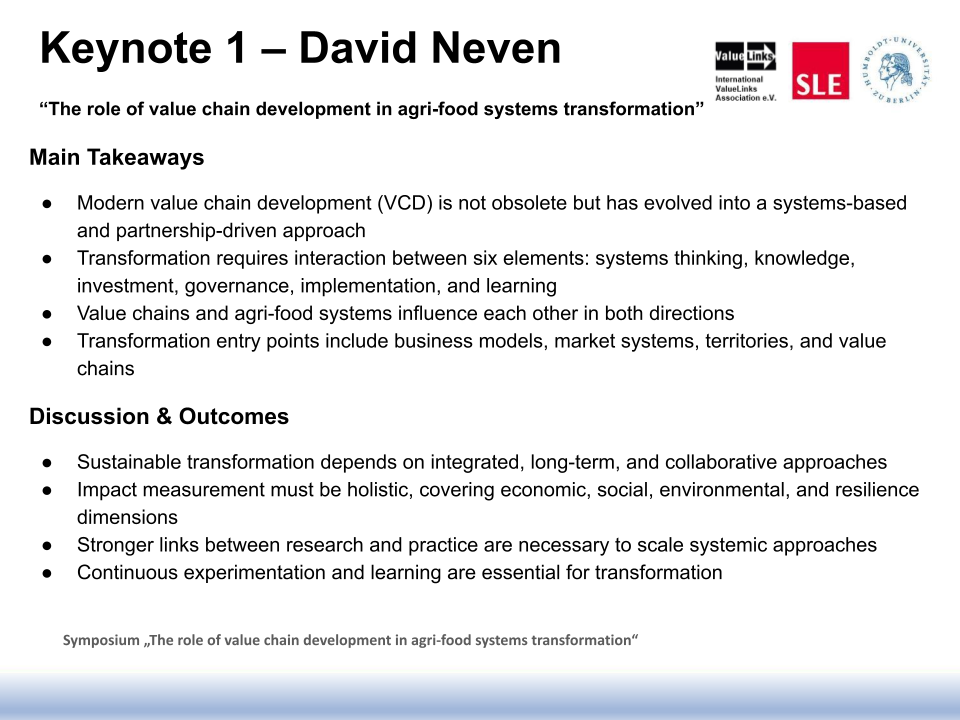
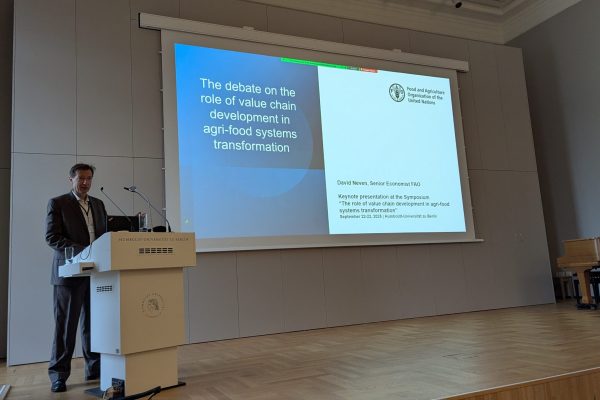
1st Keynote presentation
The debate on the role of VCD for AFS transformation
David Neven (FAO)
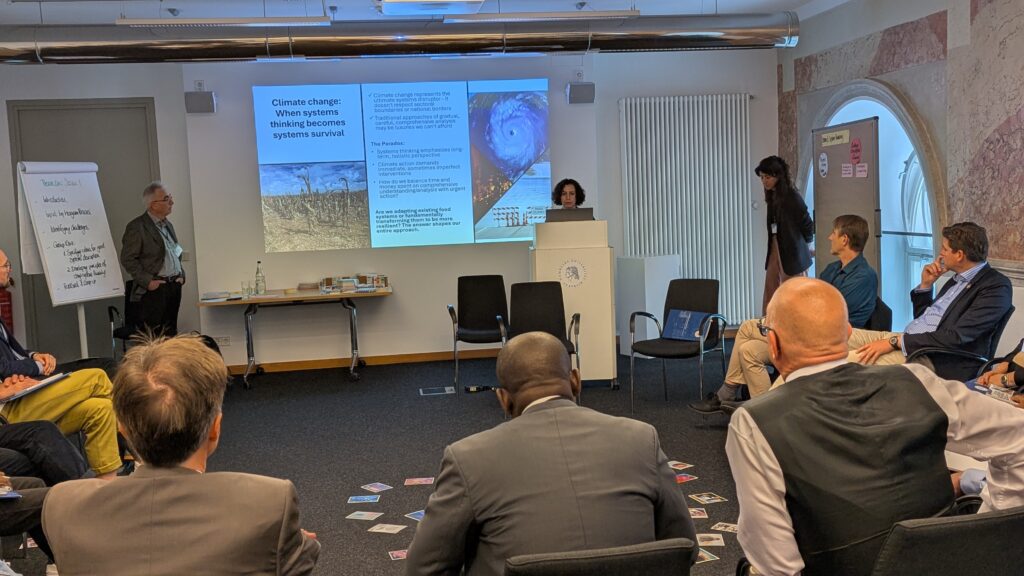
Parallel sessions 1 and 2
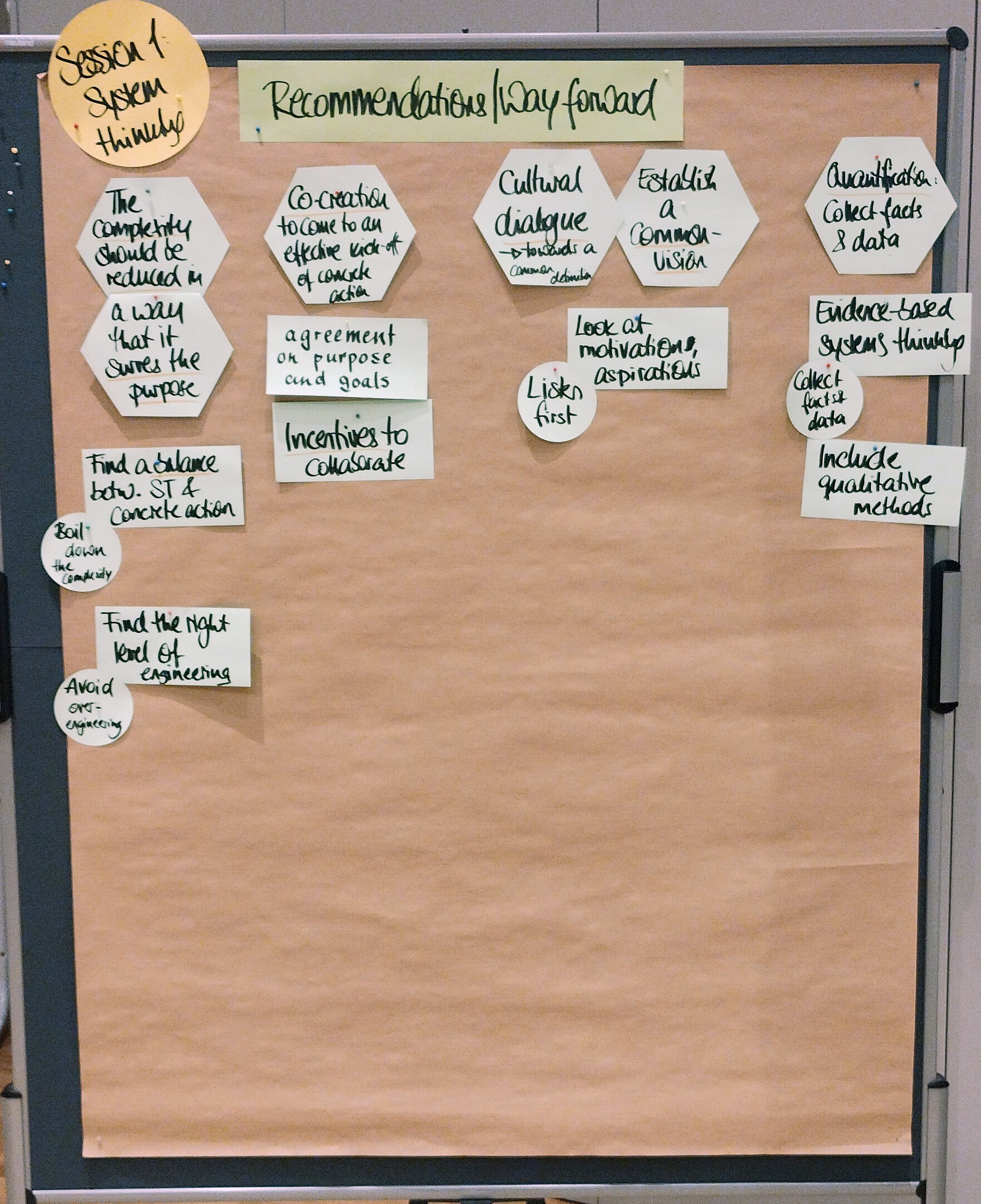
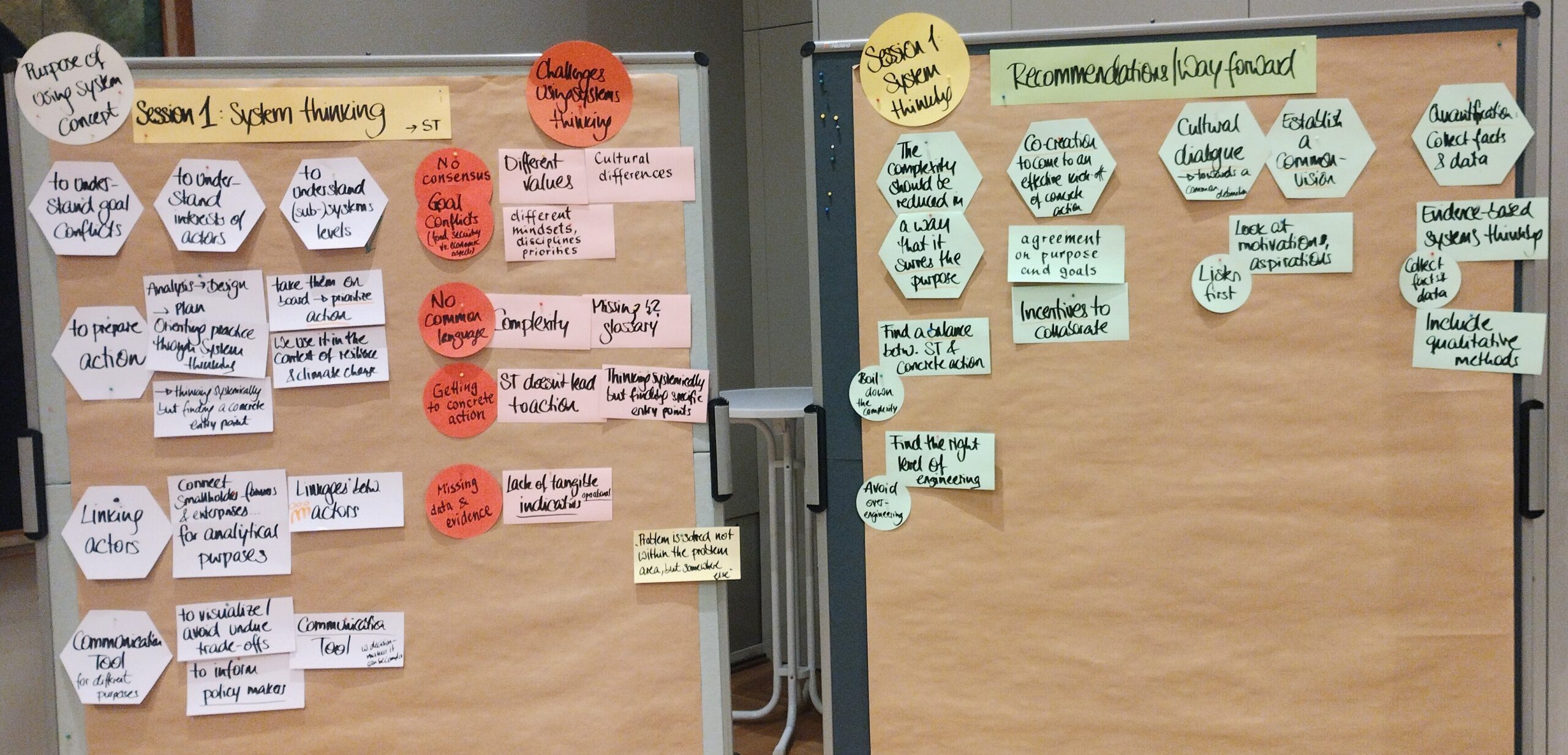
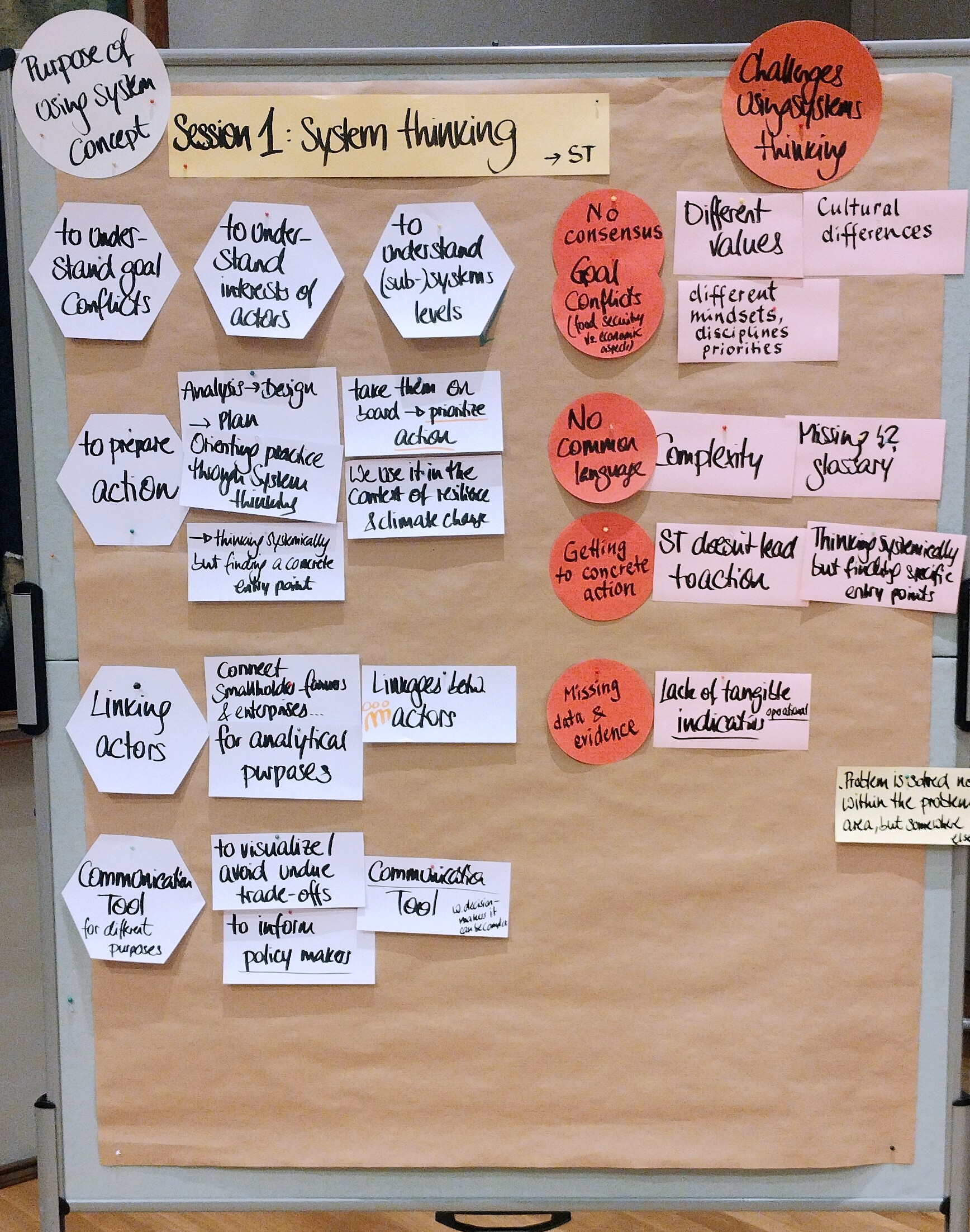
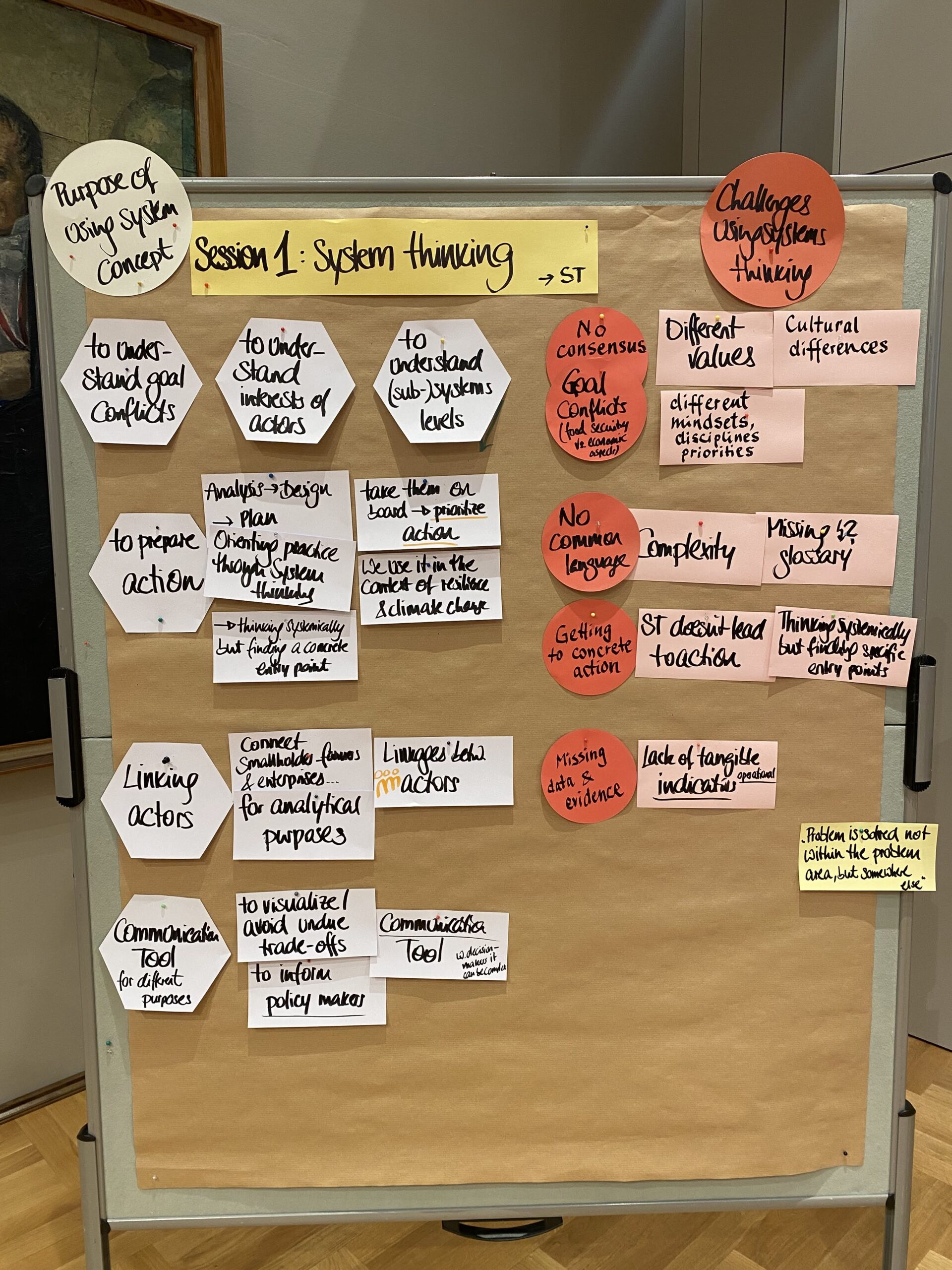
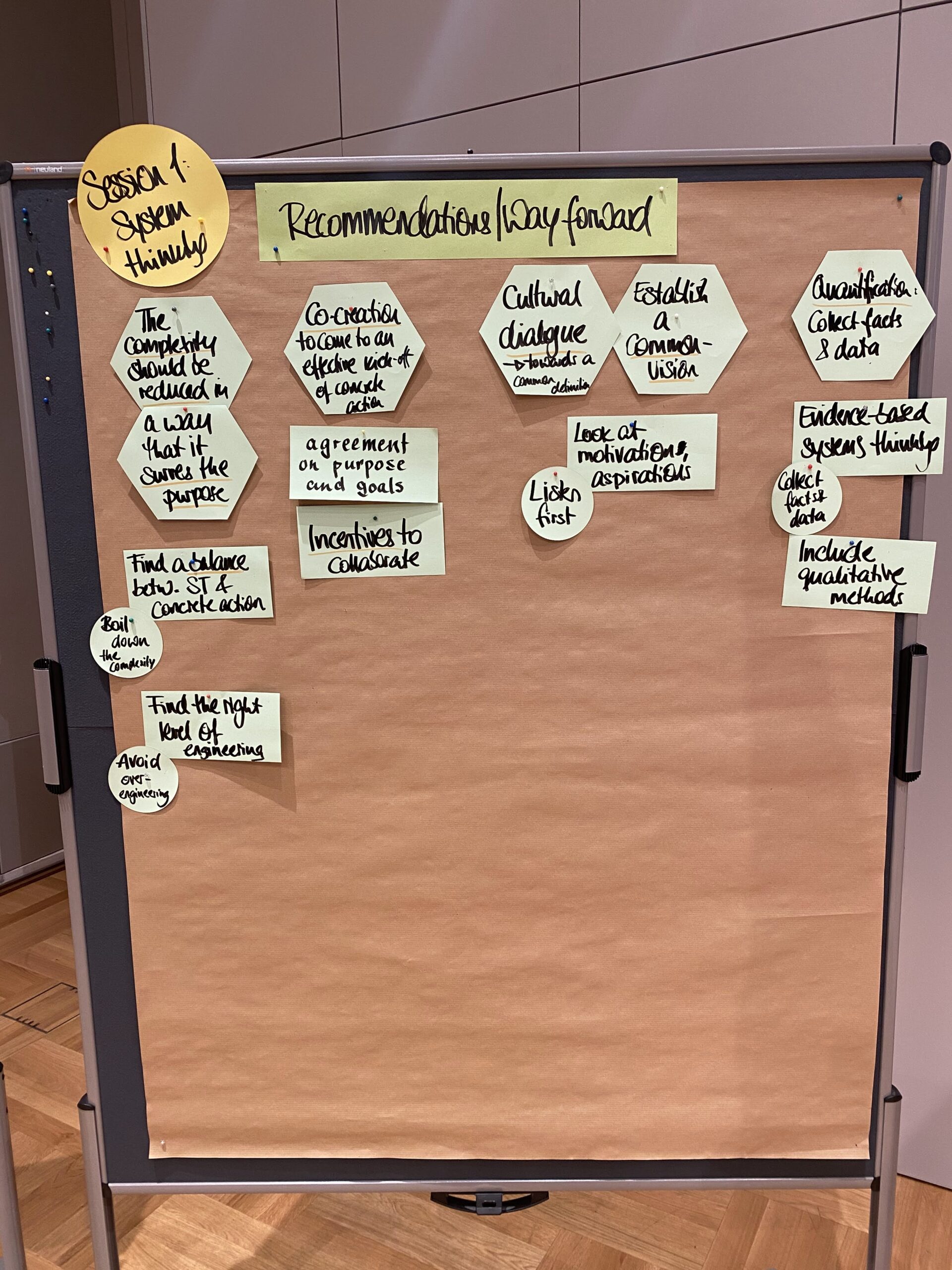
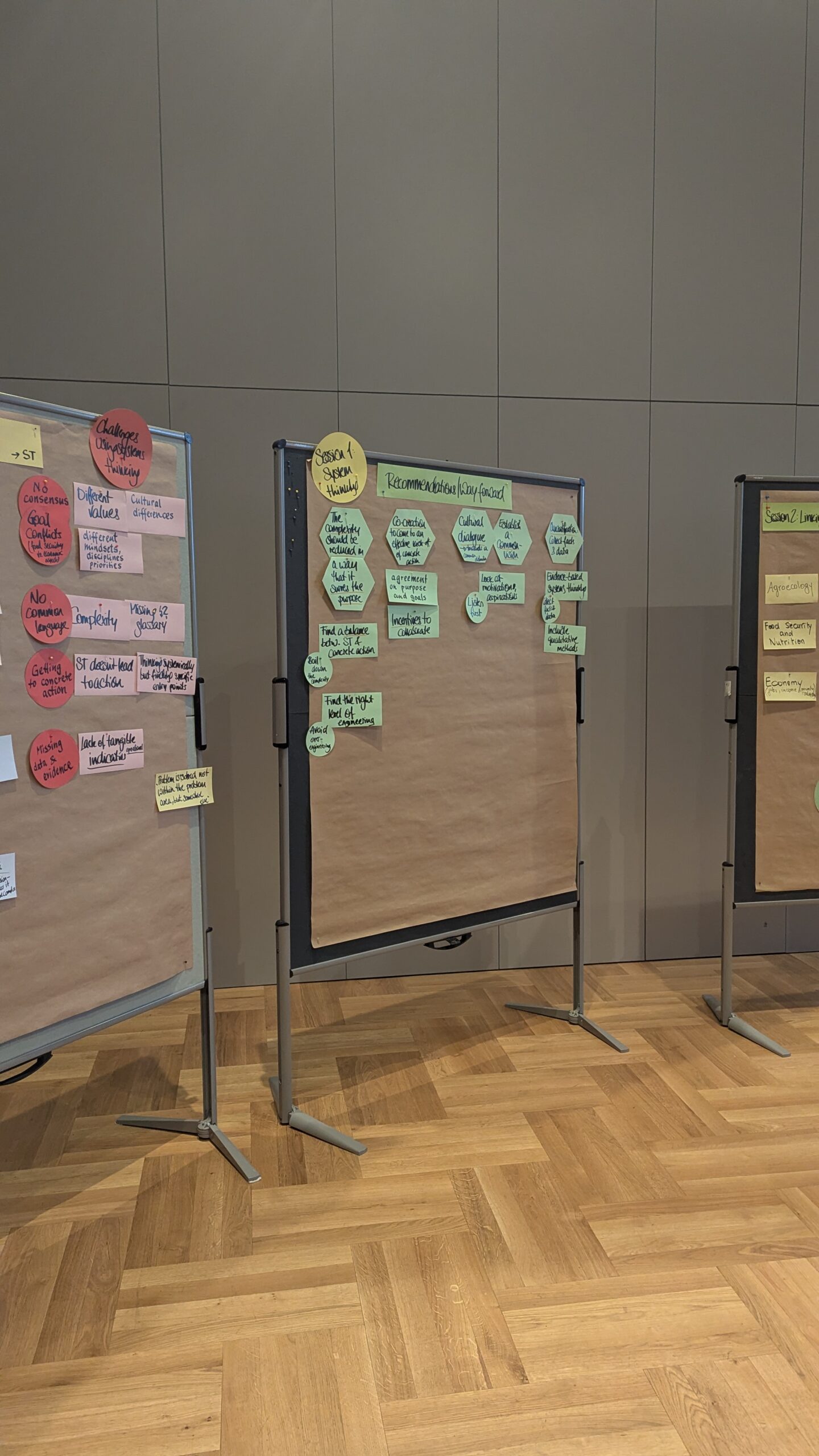
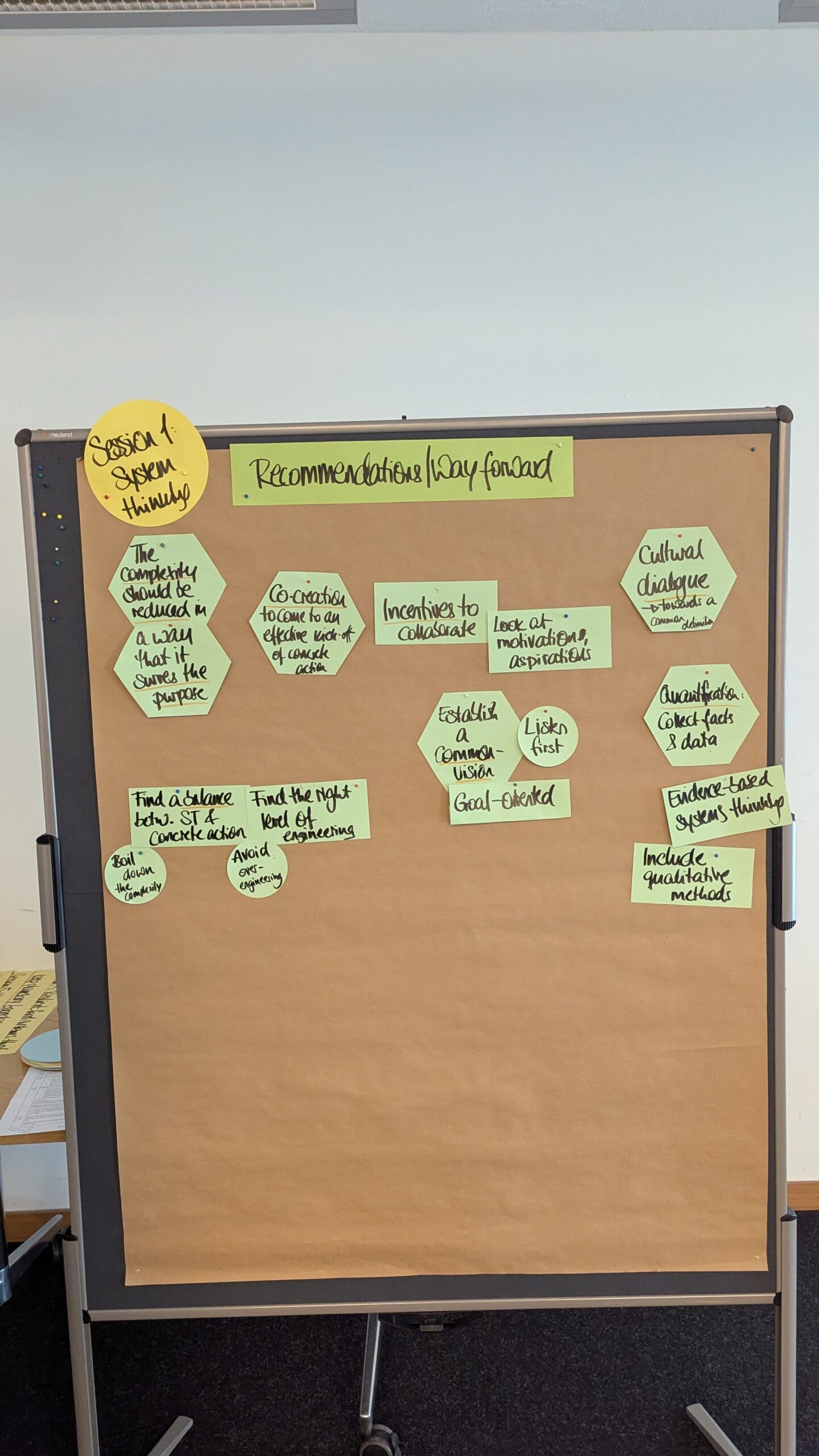
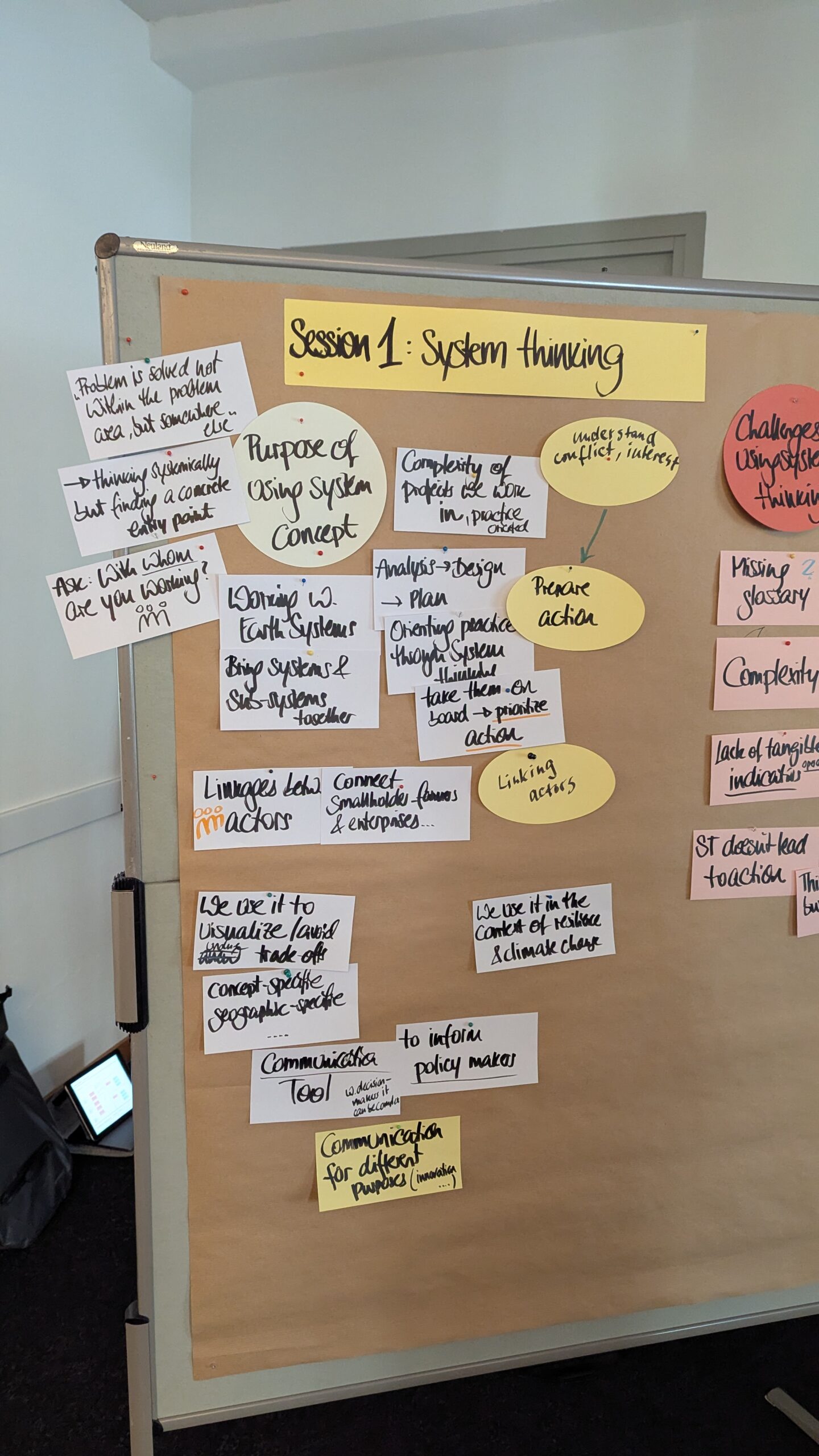
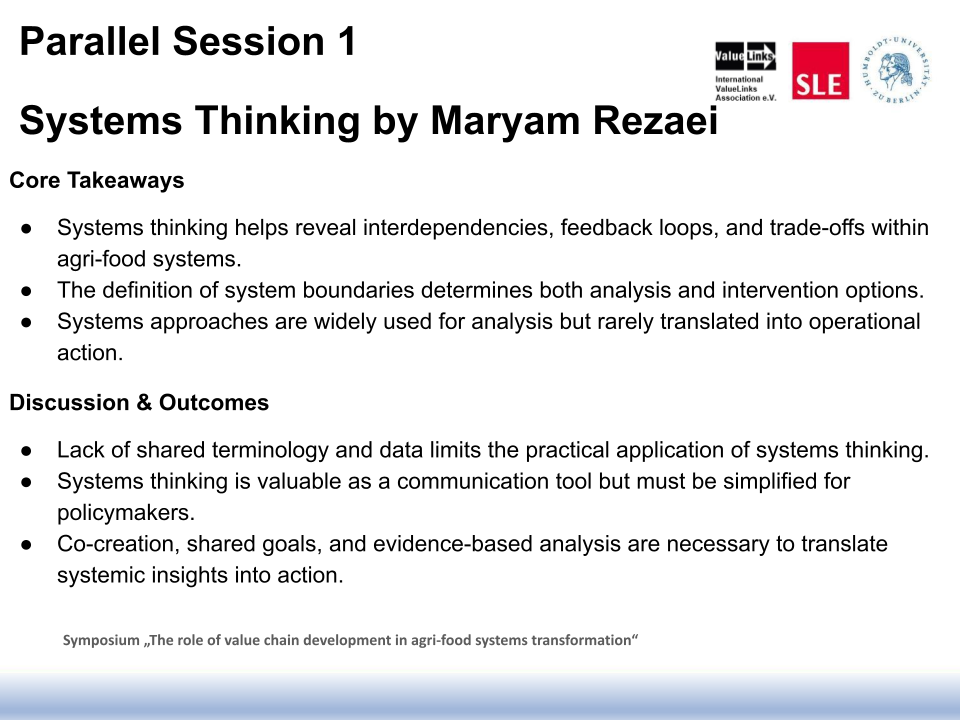
Session 1: System thinking
"Ways to handle and visualize the system nature of AFS: A value chain development perspective"
Maryam Rezaei
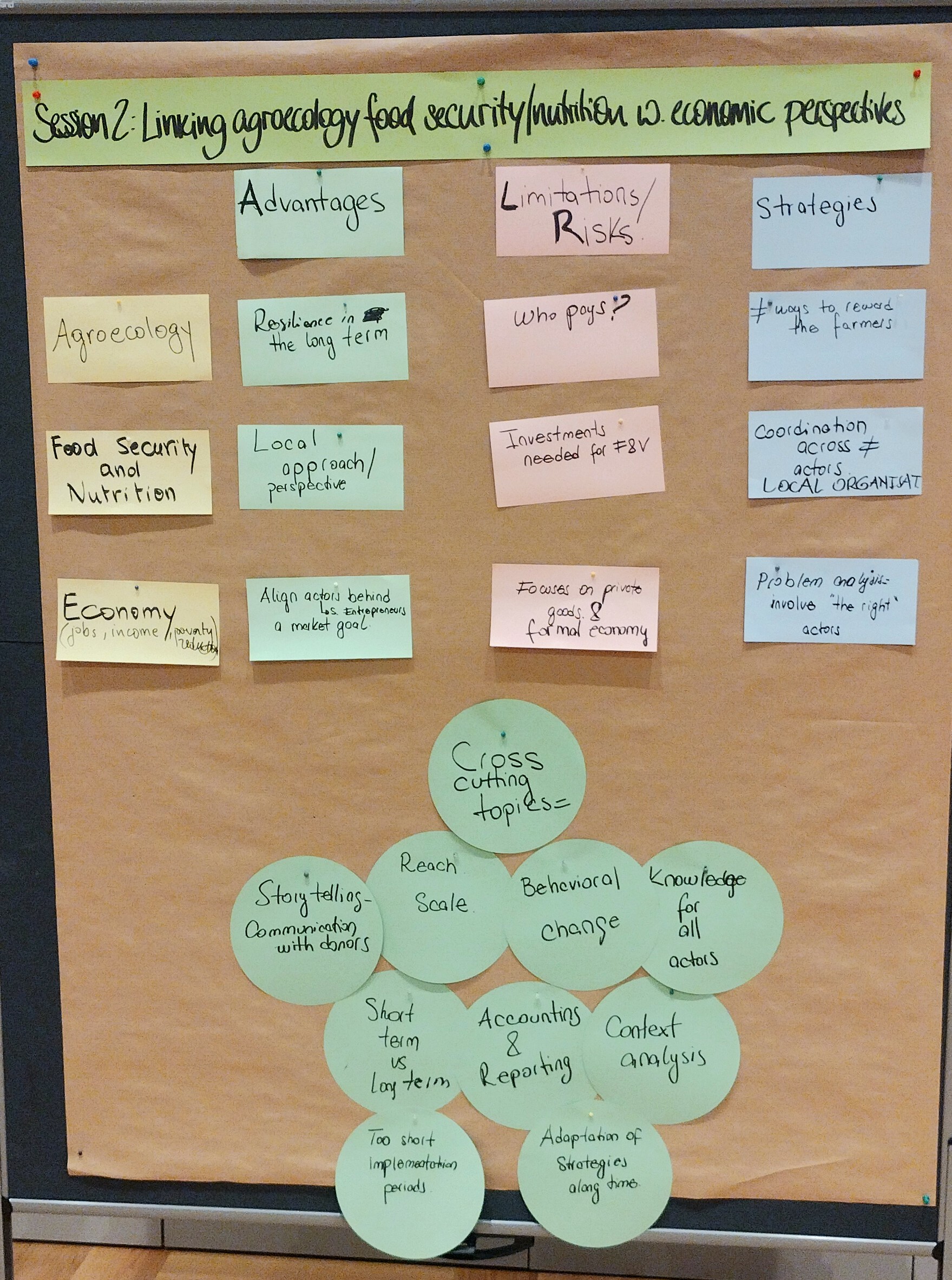
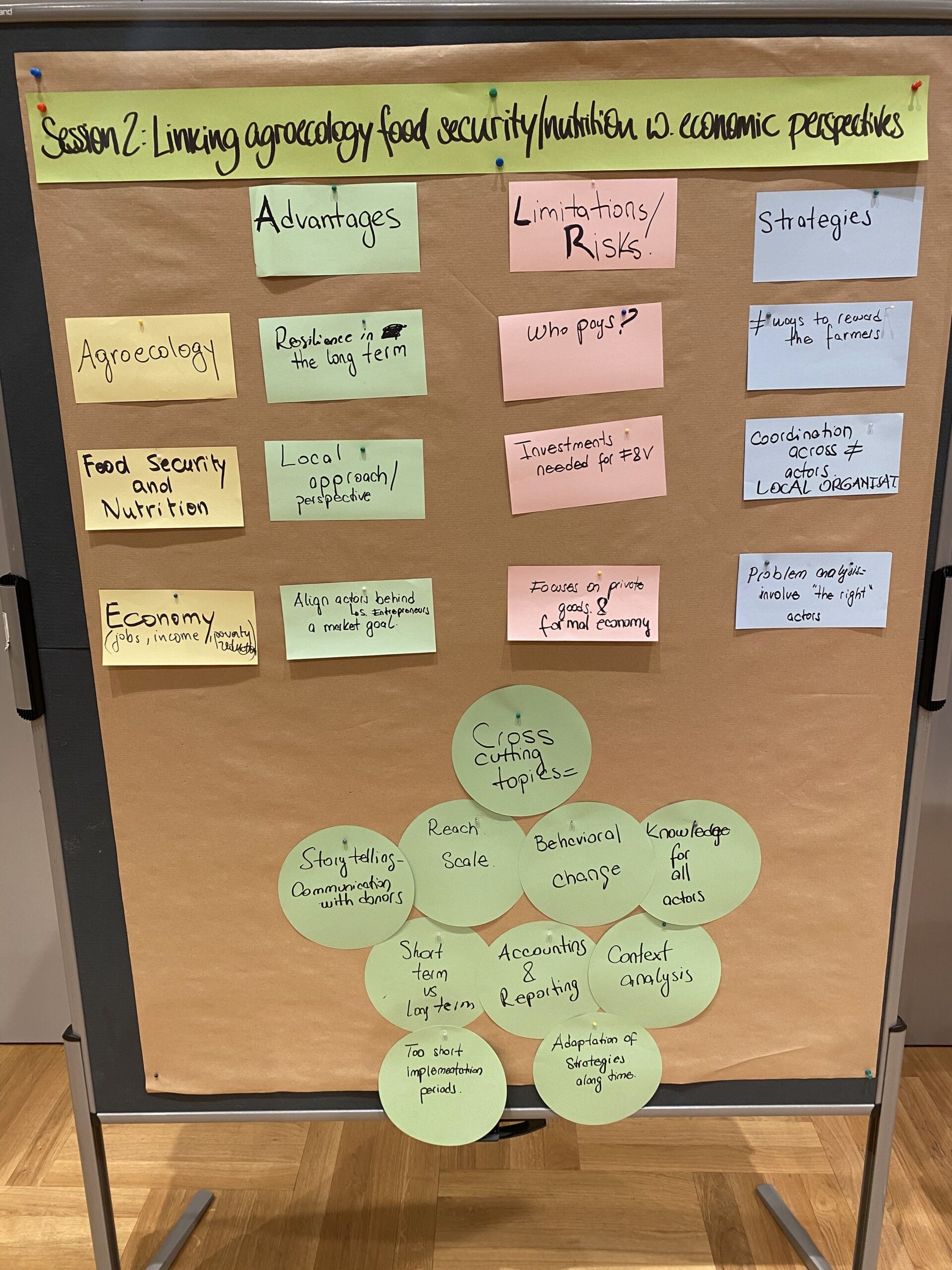
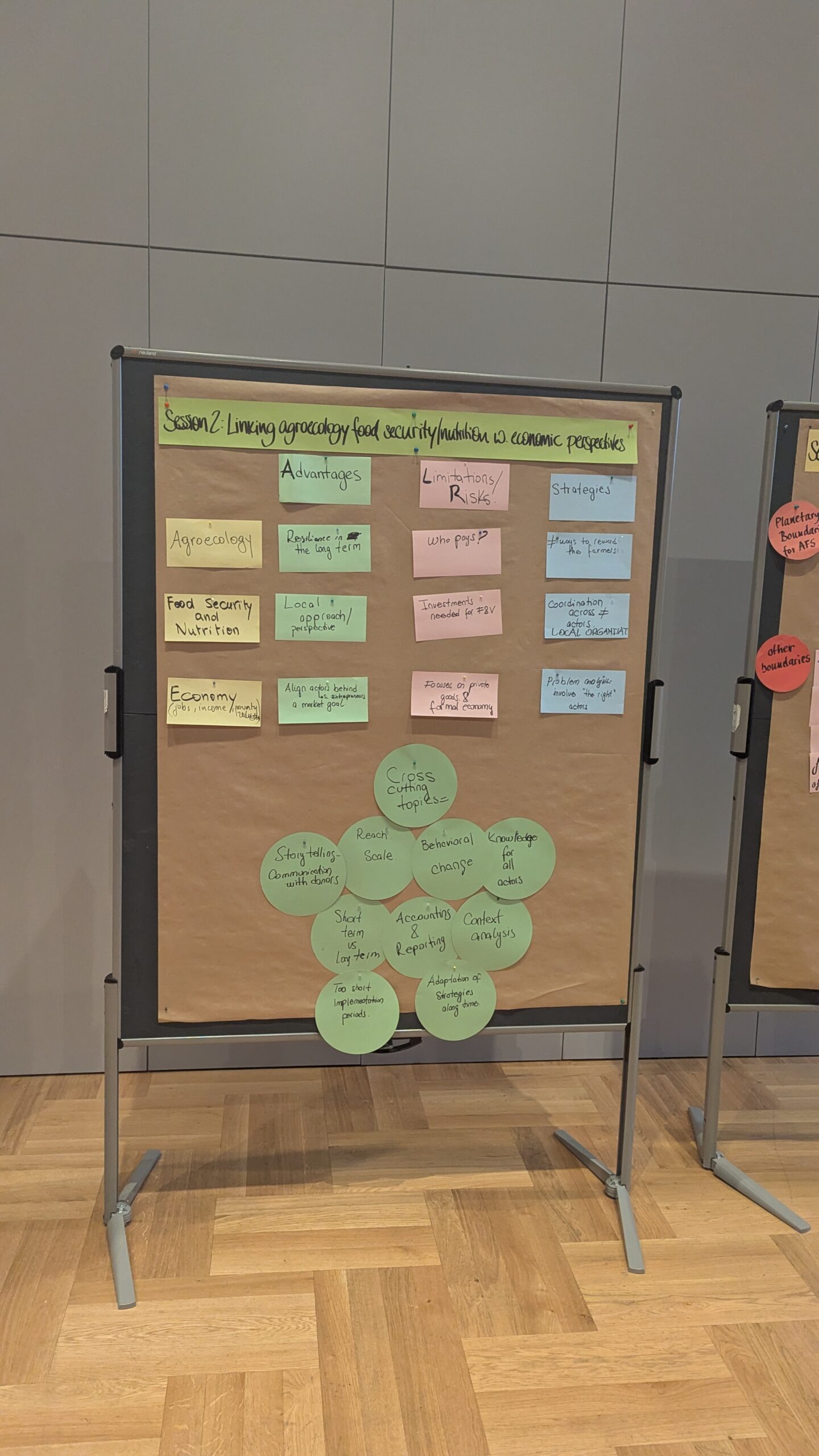
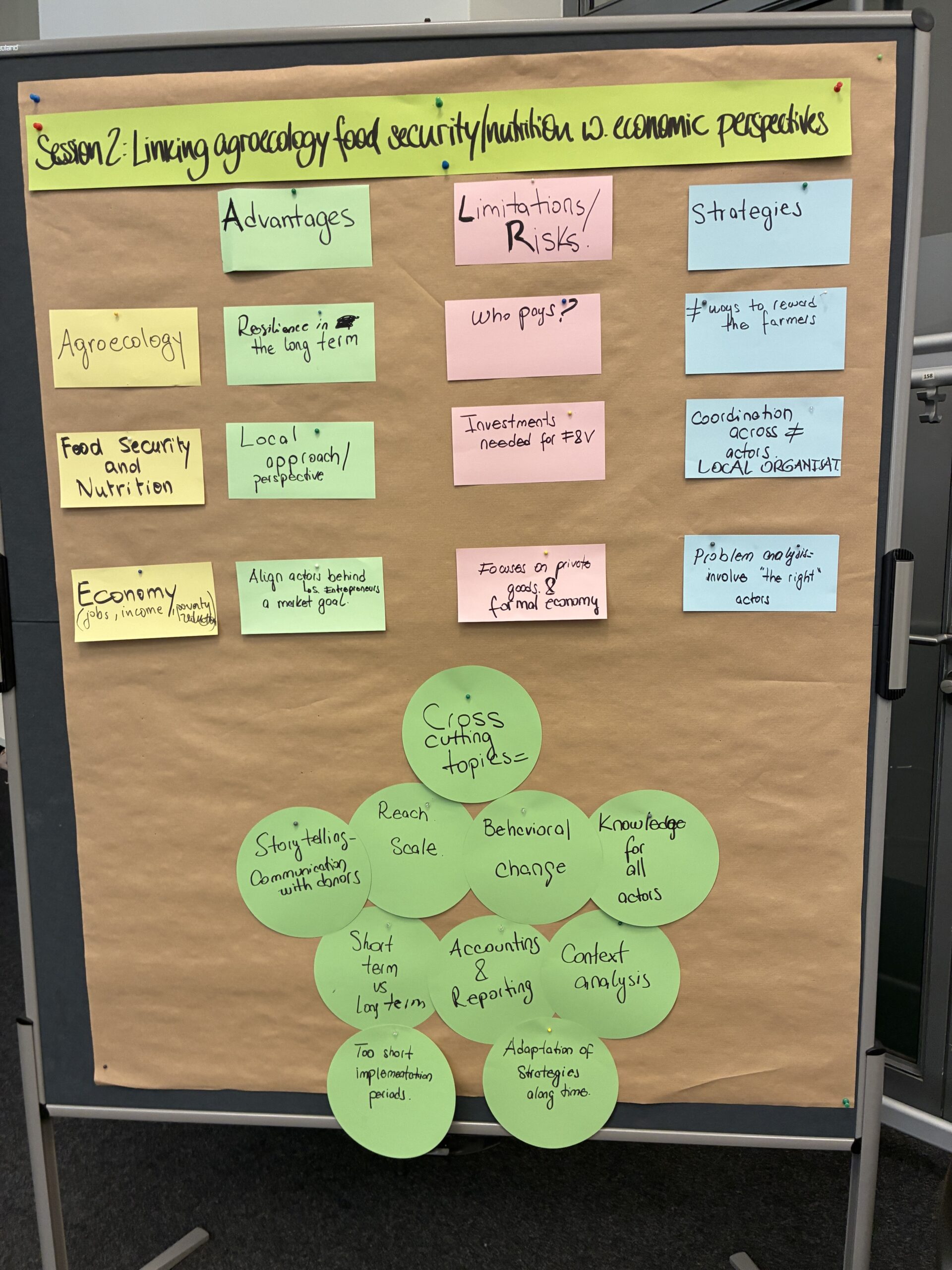
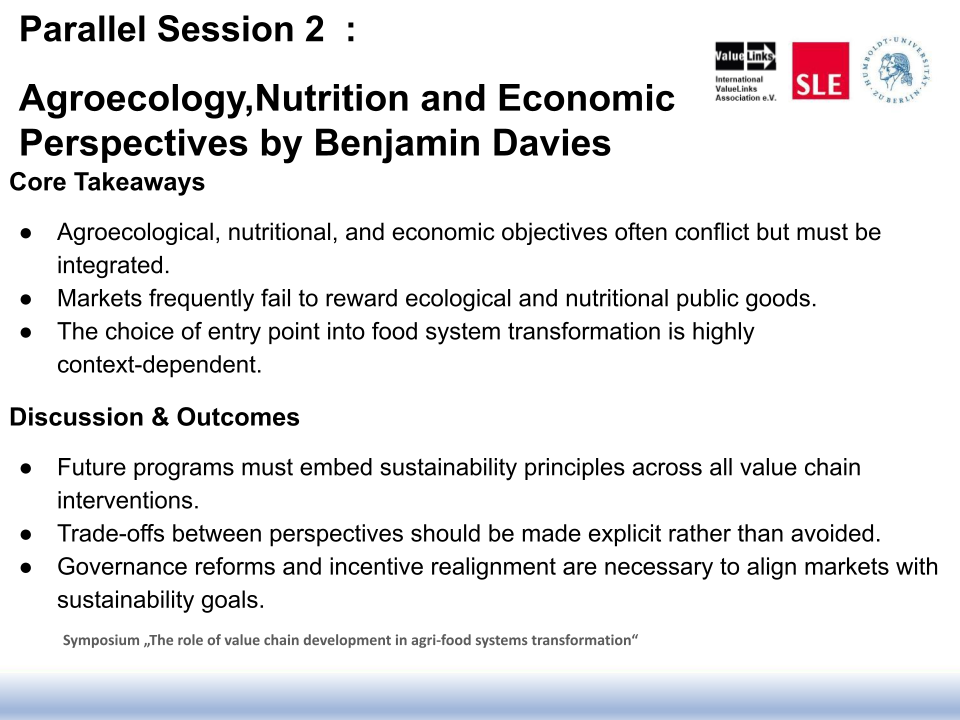
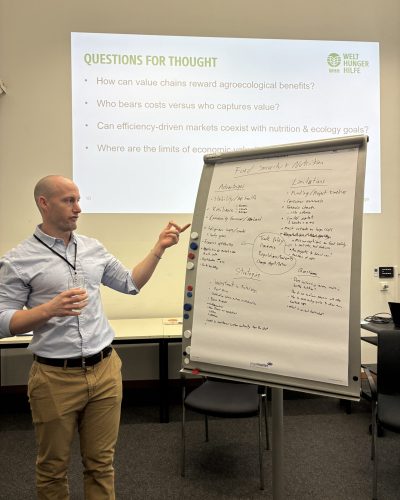
Session 2: Linking agroecology, food security & nutrition with economic perspectives
How to accommodate the different perspectives in sustainable VCD/FST?
Benjamin Davies (WHH)
2nd Keynote presentation
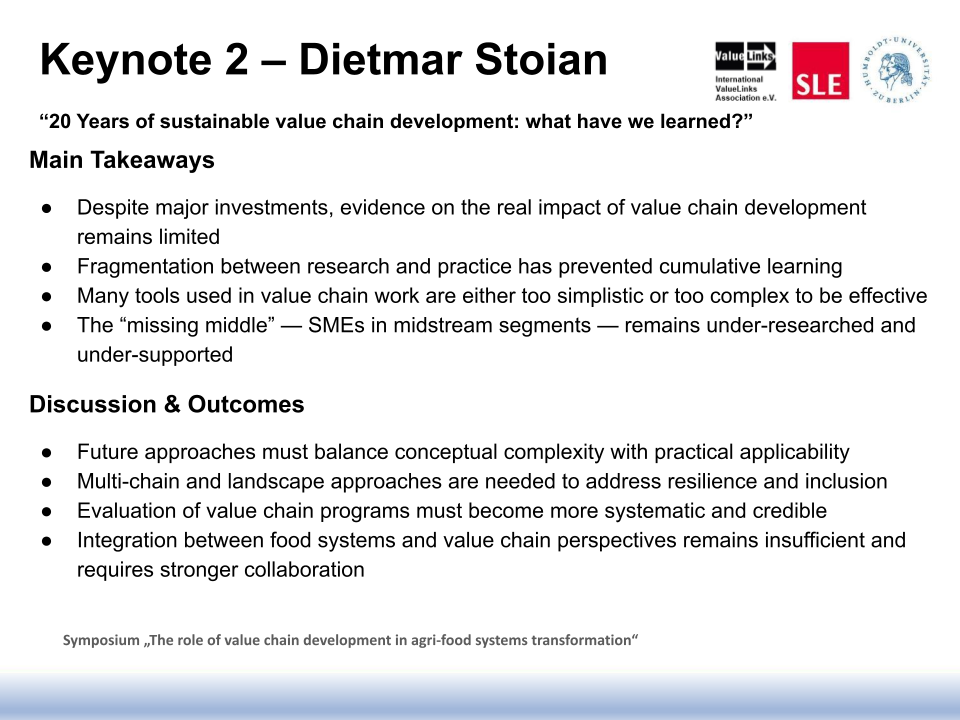
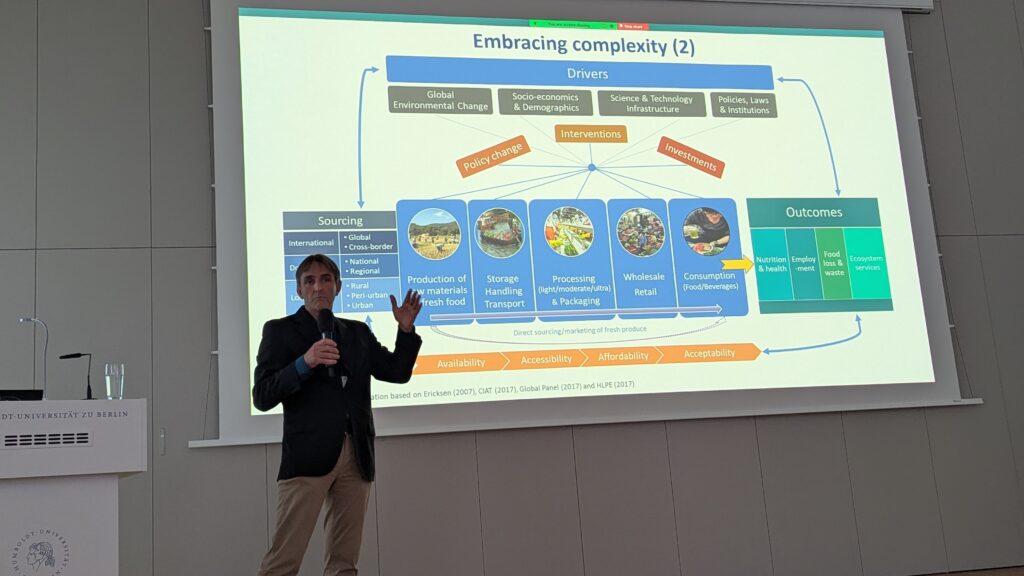
"20 years of sustainable value chain development (SVCD): What have we learnt (or not)?"
Dietmar Stoian (ICRAF)
Parallel sessions 3 and 4
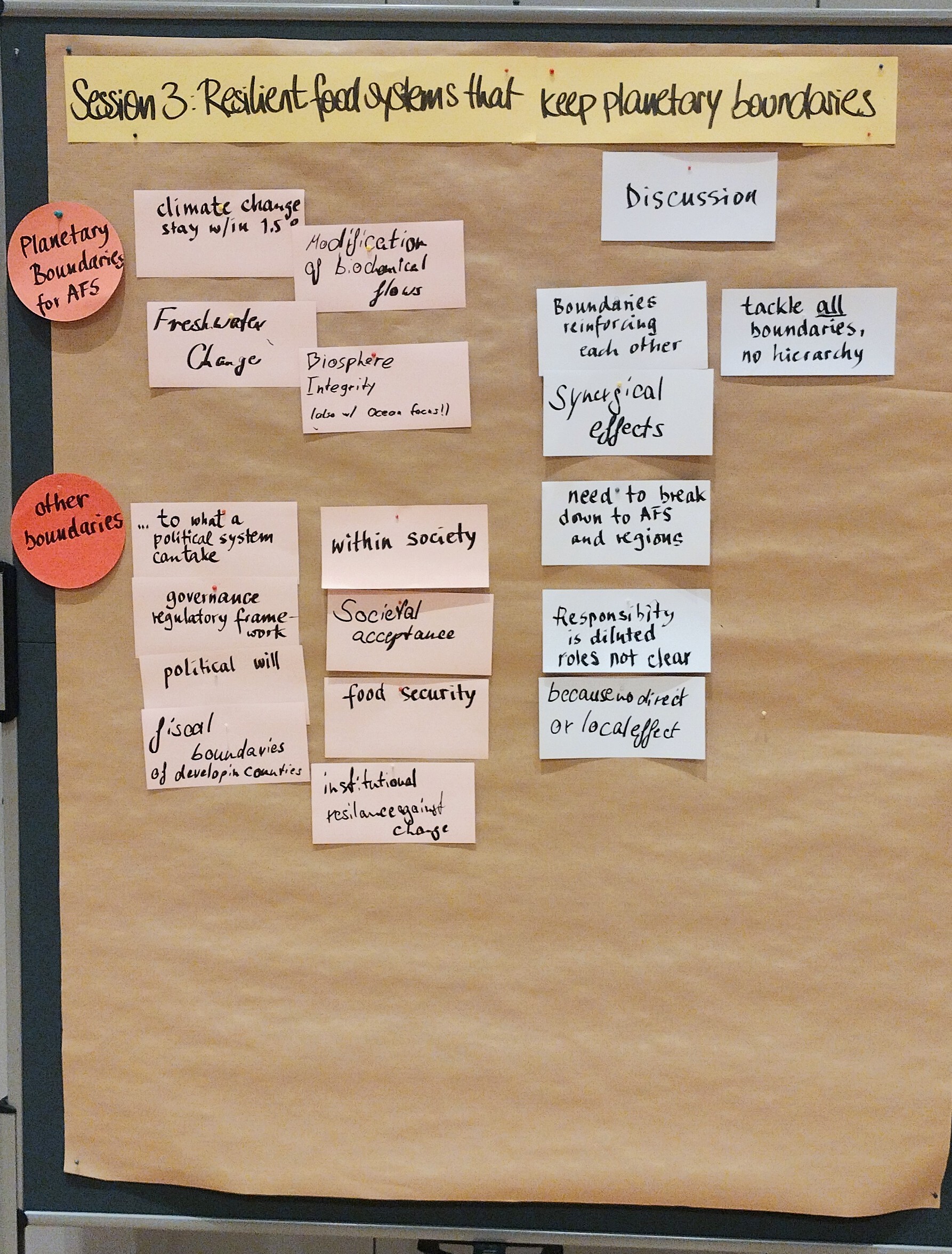
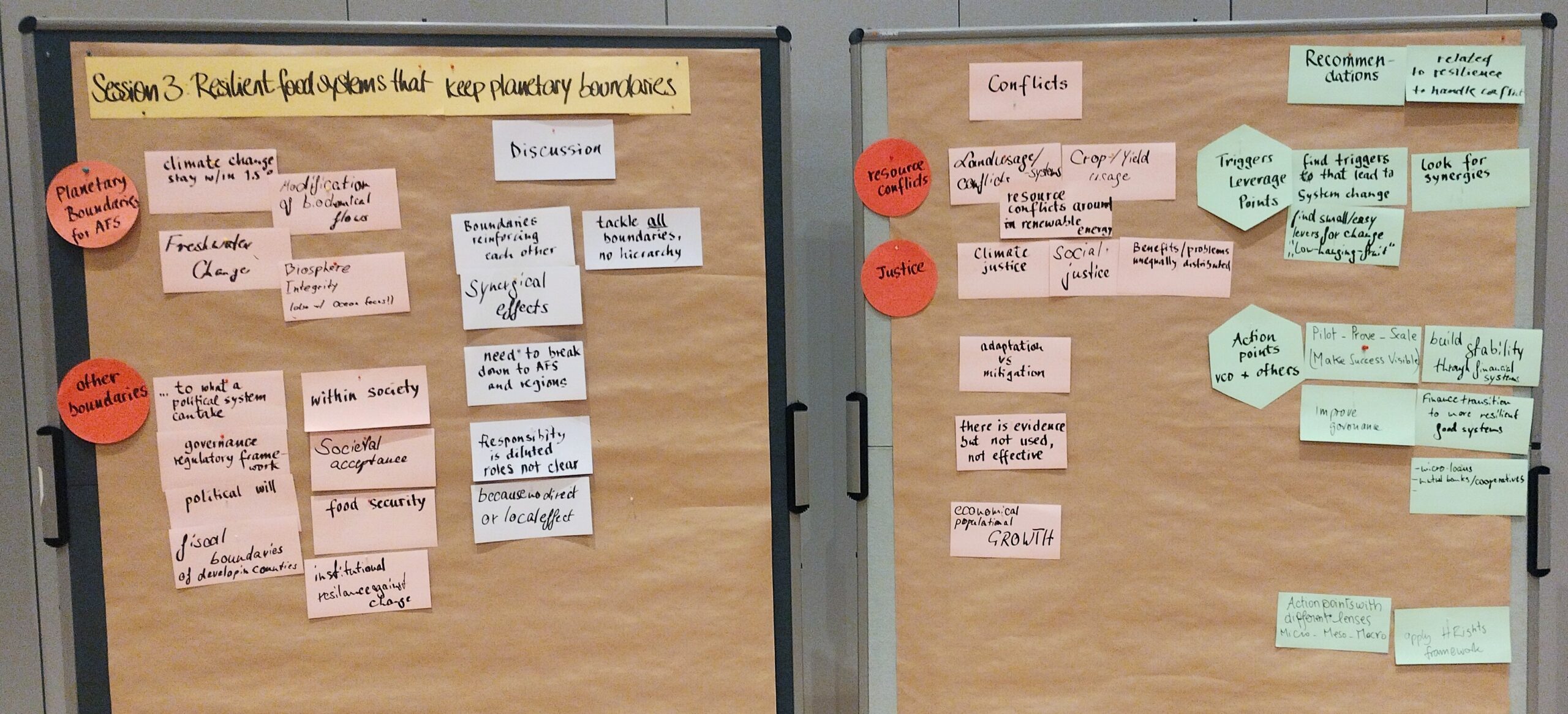
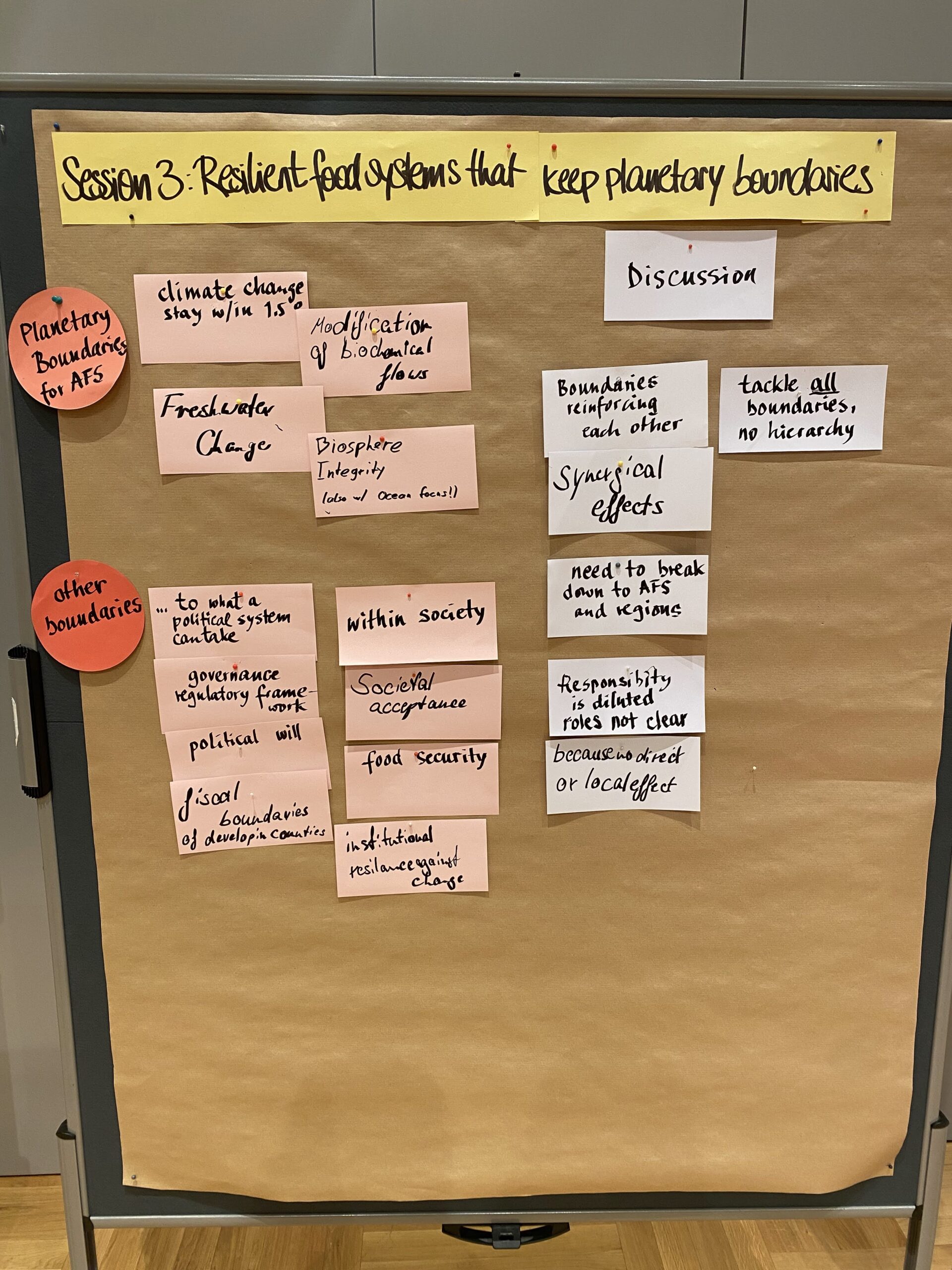
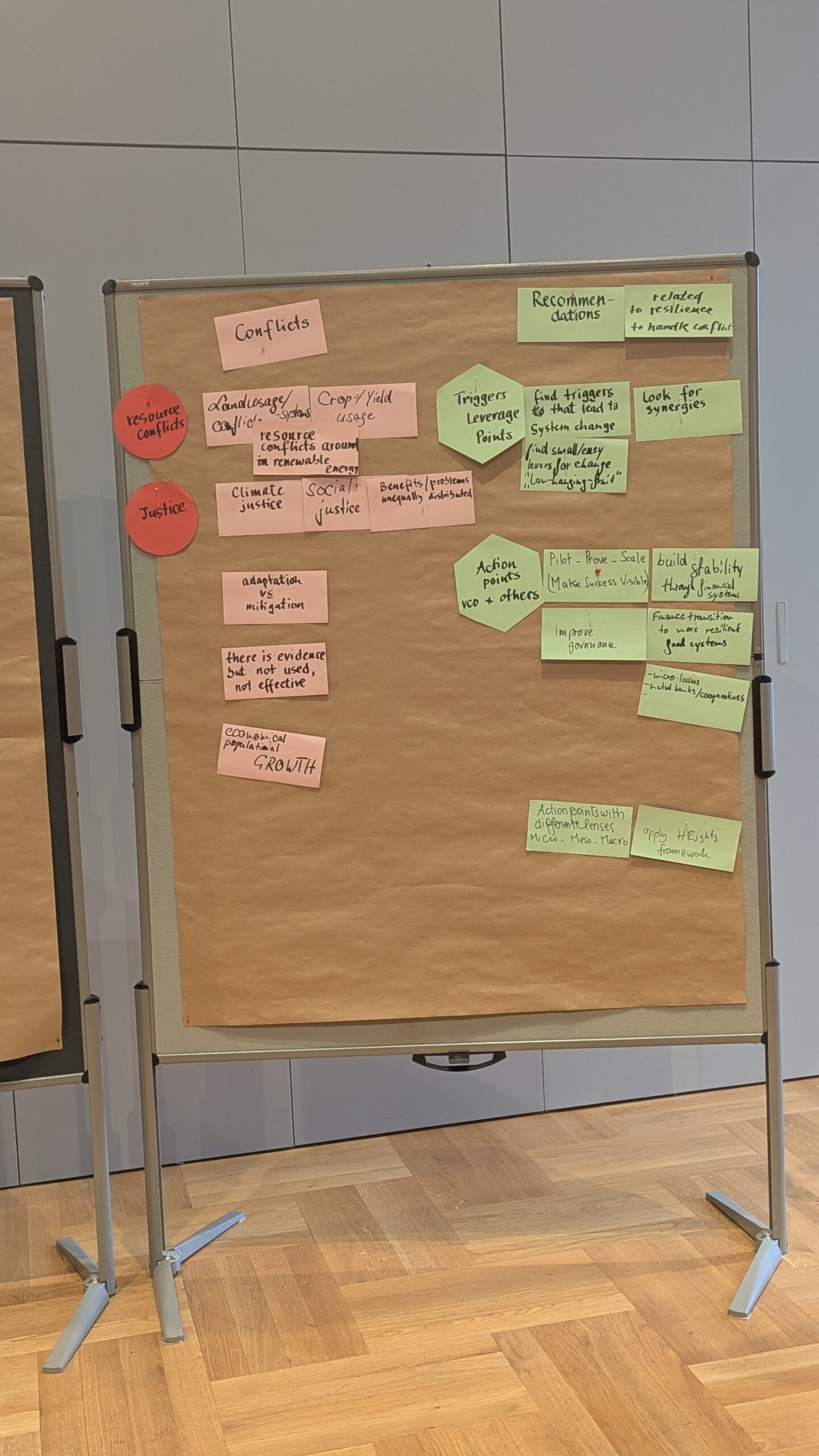
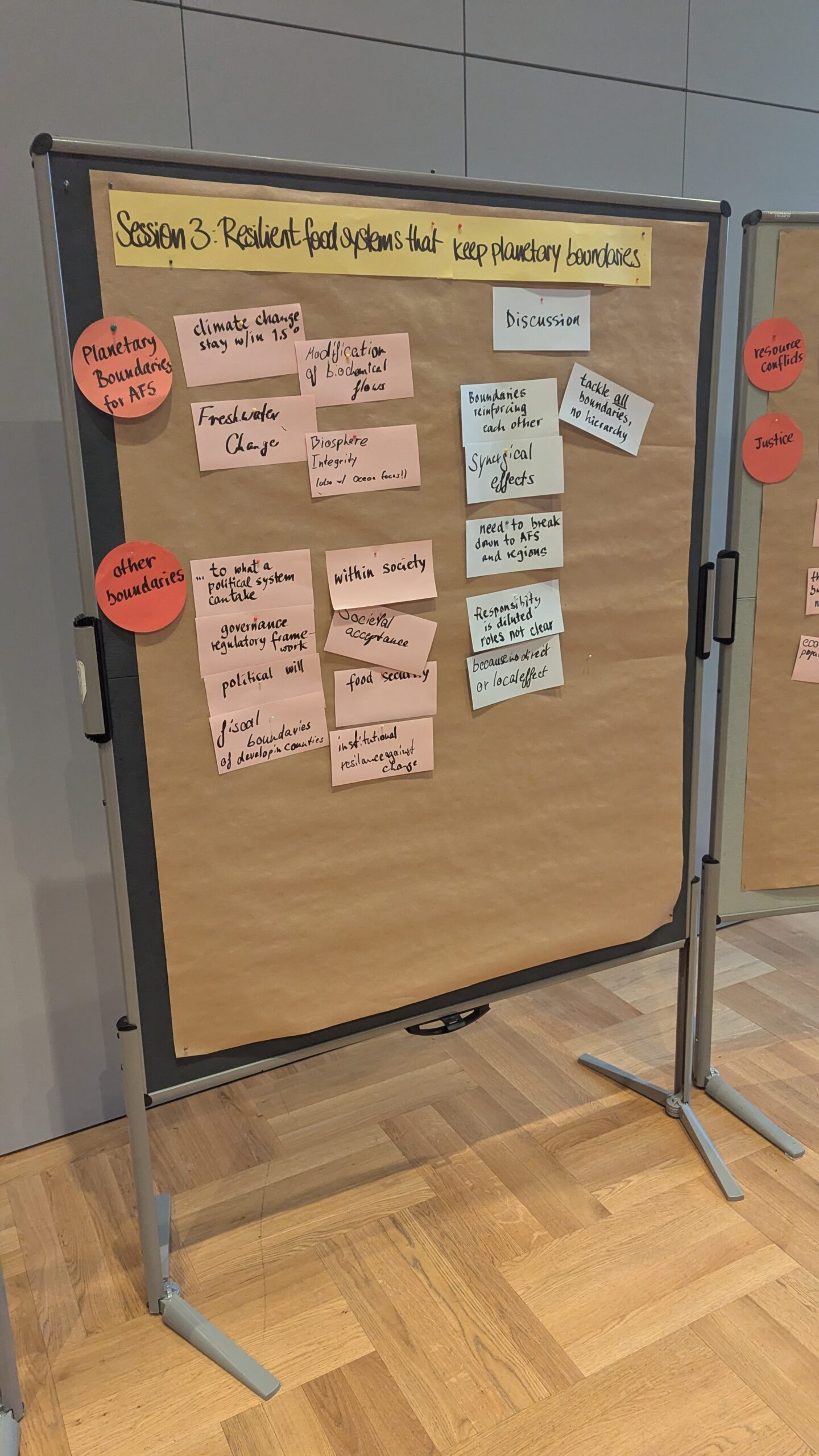
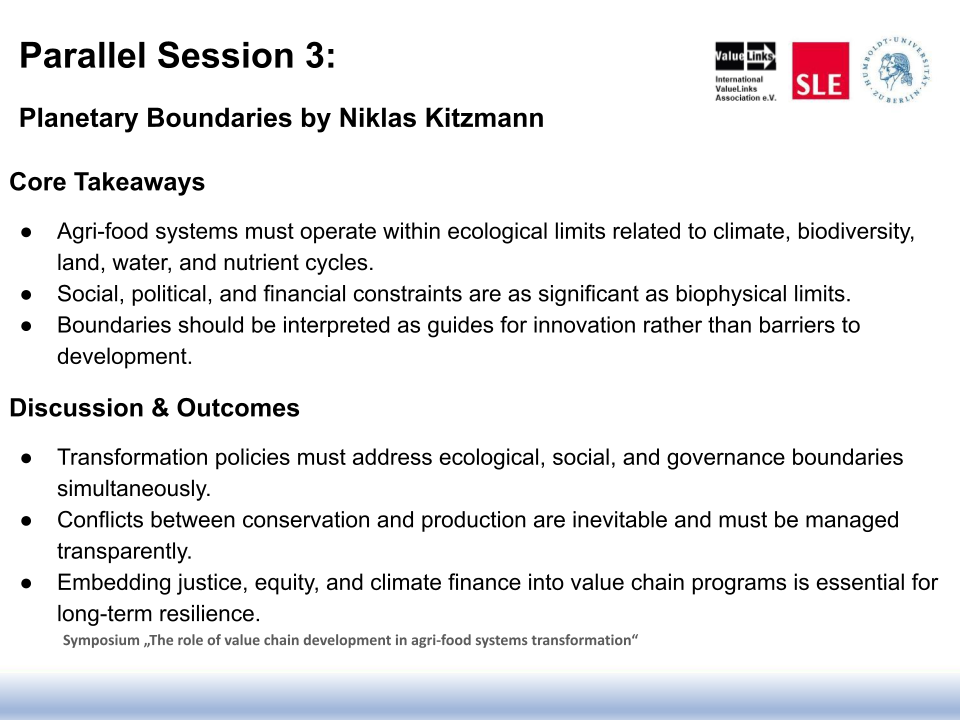
Session 3: Resilient food systems that keep planetary boundaries
"The concept of planetary boundaries"
Niklas Kitzmann (PIK)

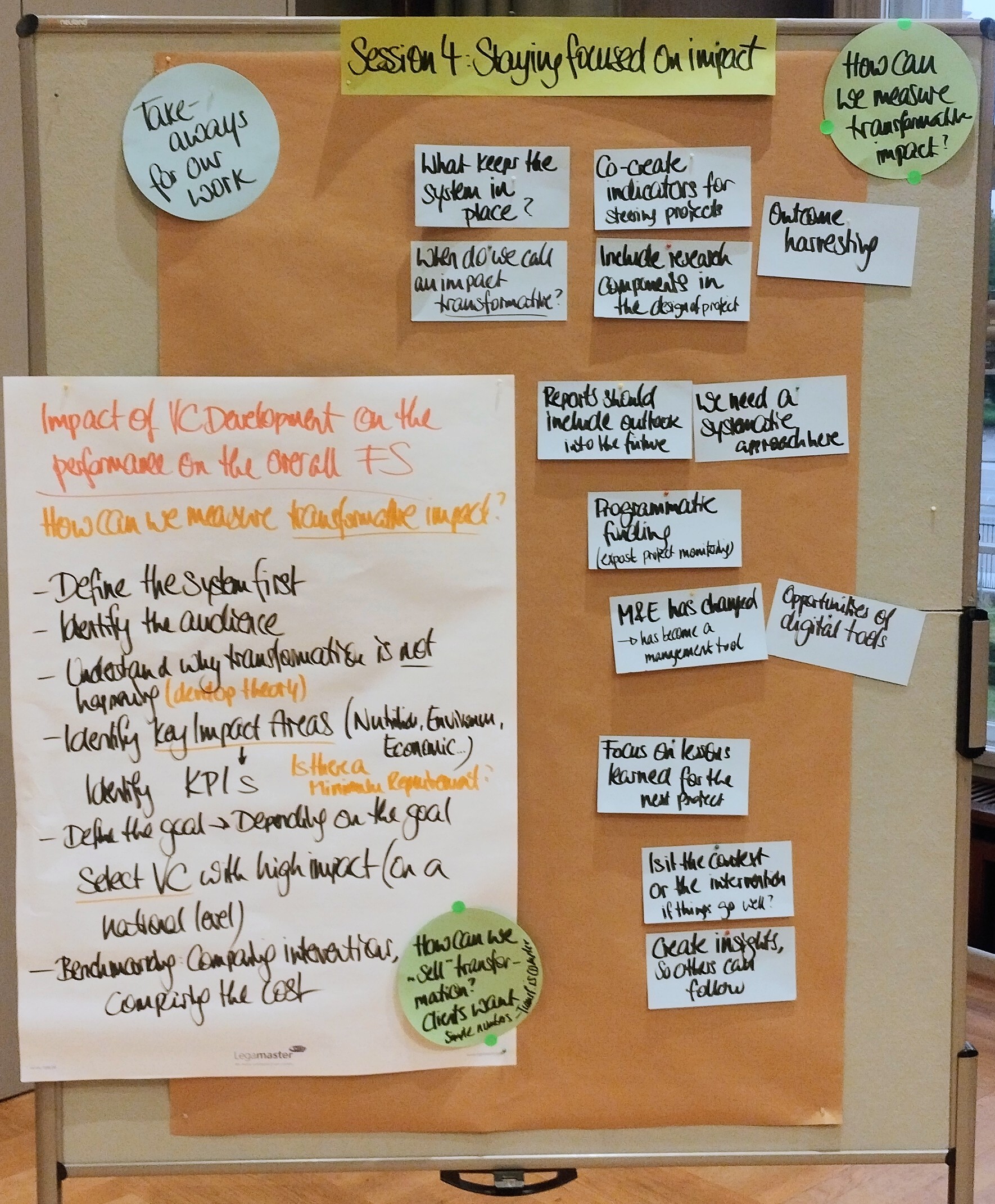
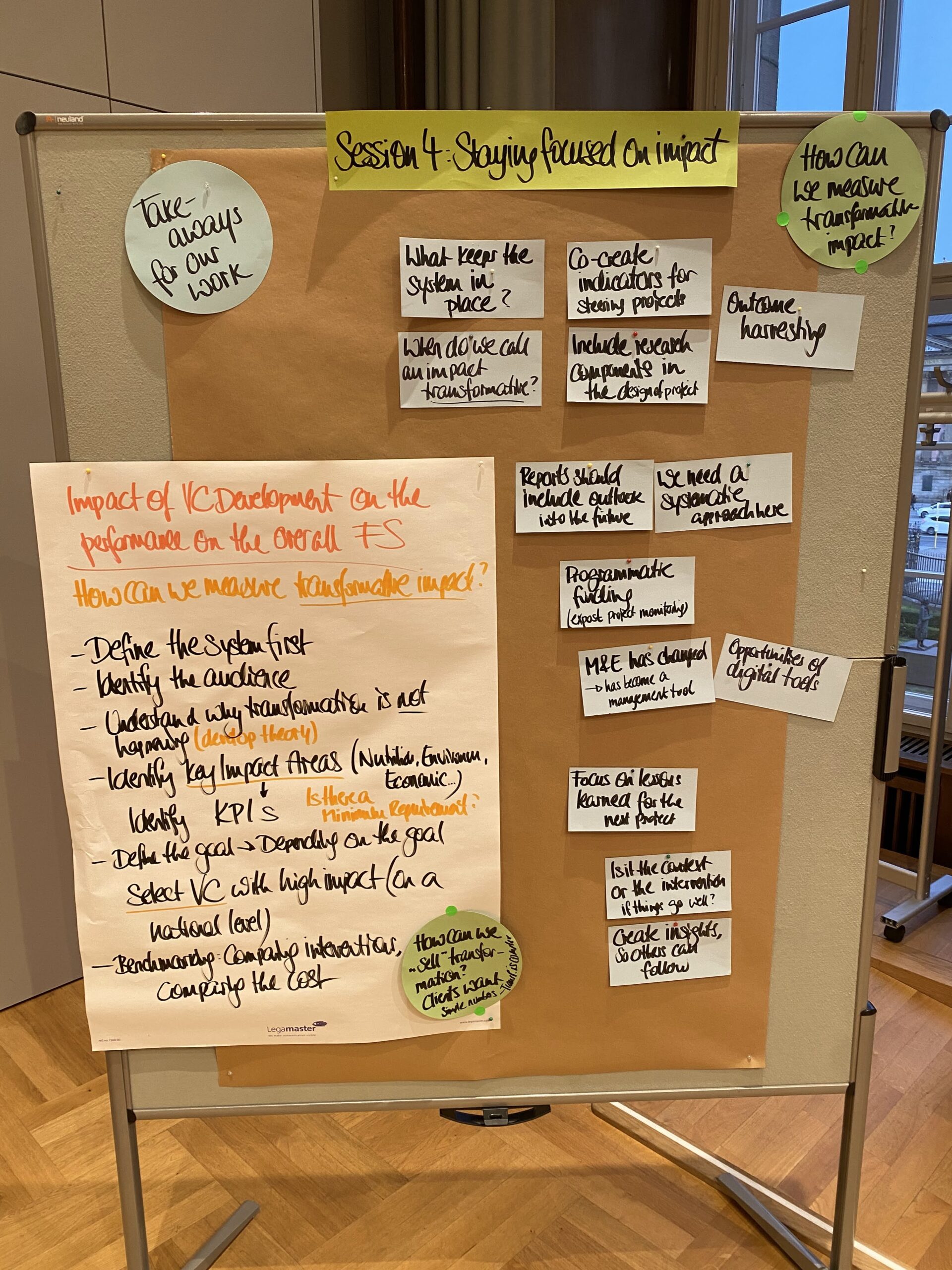
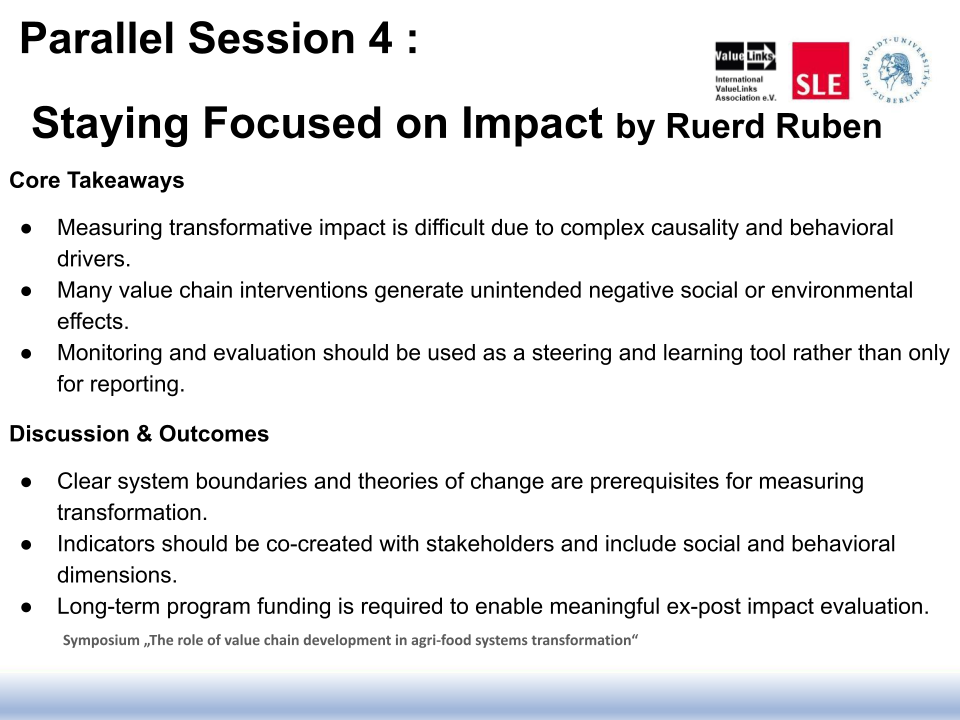
Session 4: Staying focused on impact
"Staying focused on impact of VC interventions"
Ruerd Ruben (WUR Wageningen)
23.09.2025
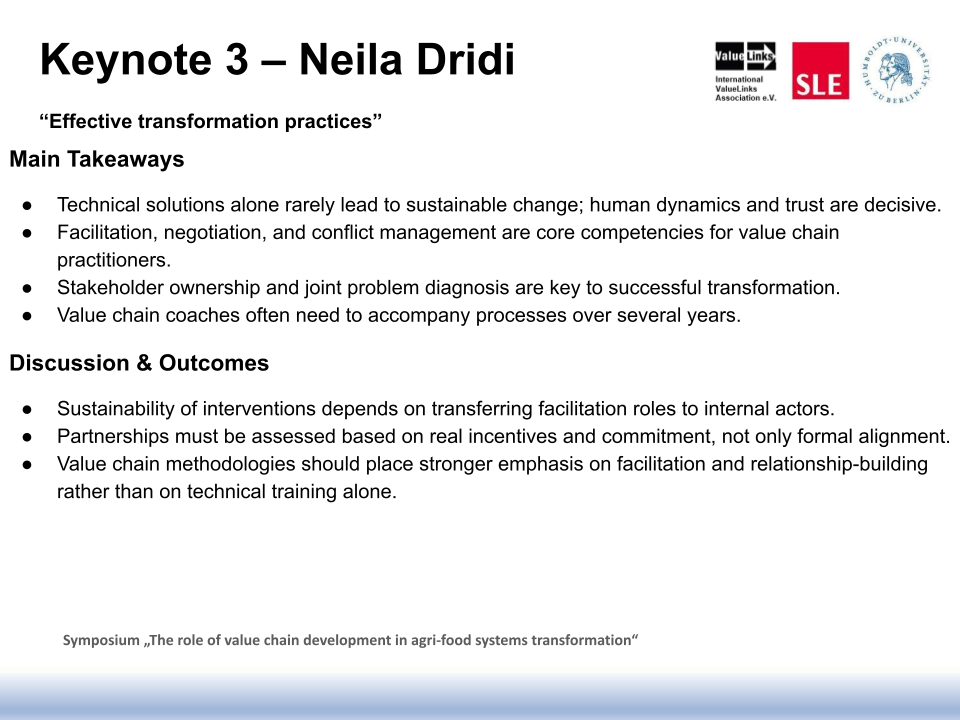
3rd Keynote presentation
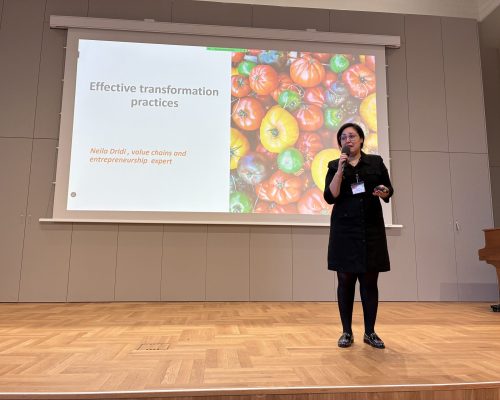
"Effective transformation practices"
Neila Dridi, Consultant in value chains and entrepreneurship, Tunisia
Parallel sessions 5 and 6
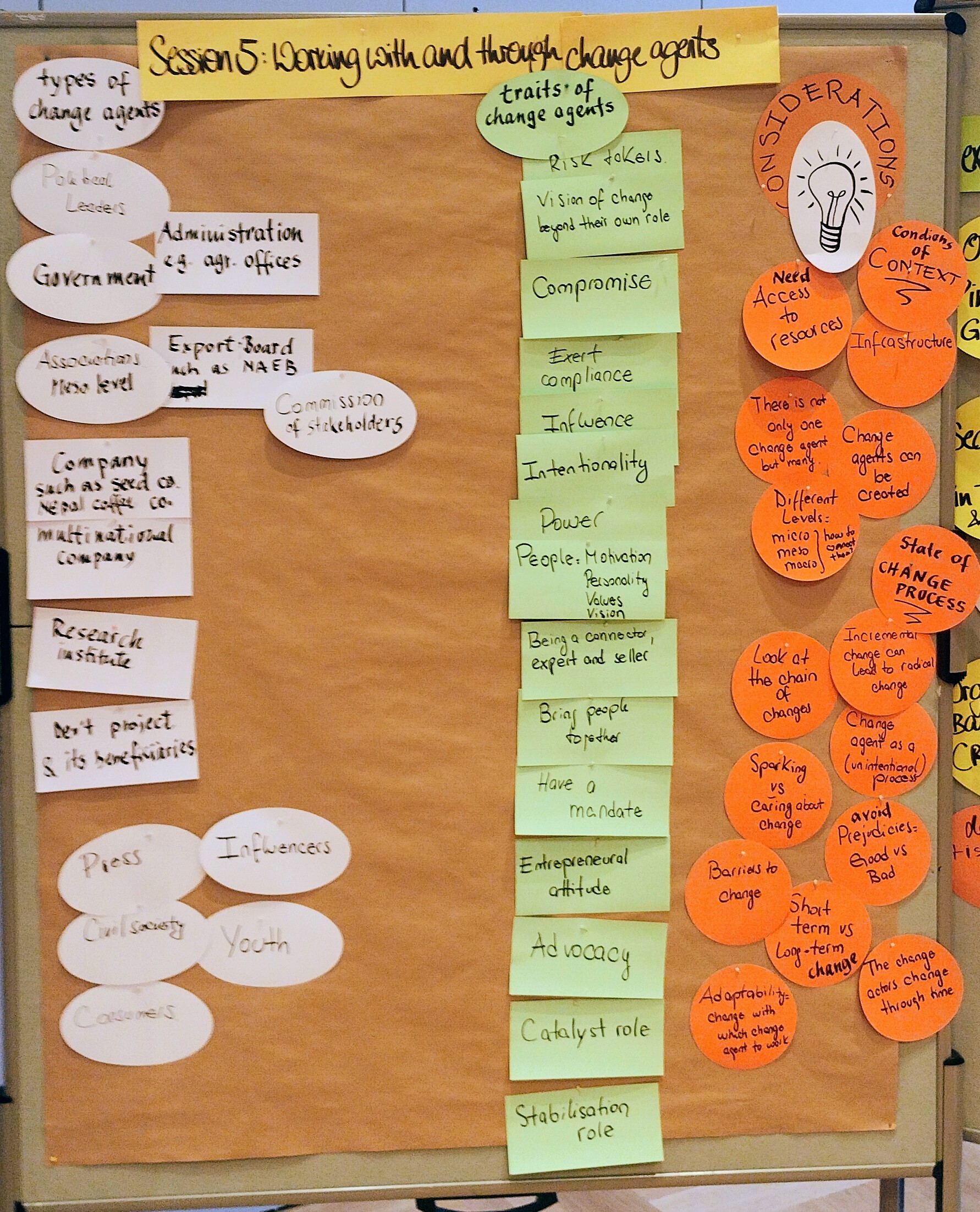
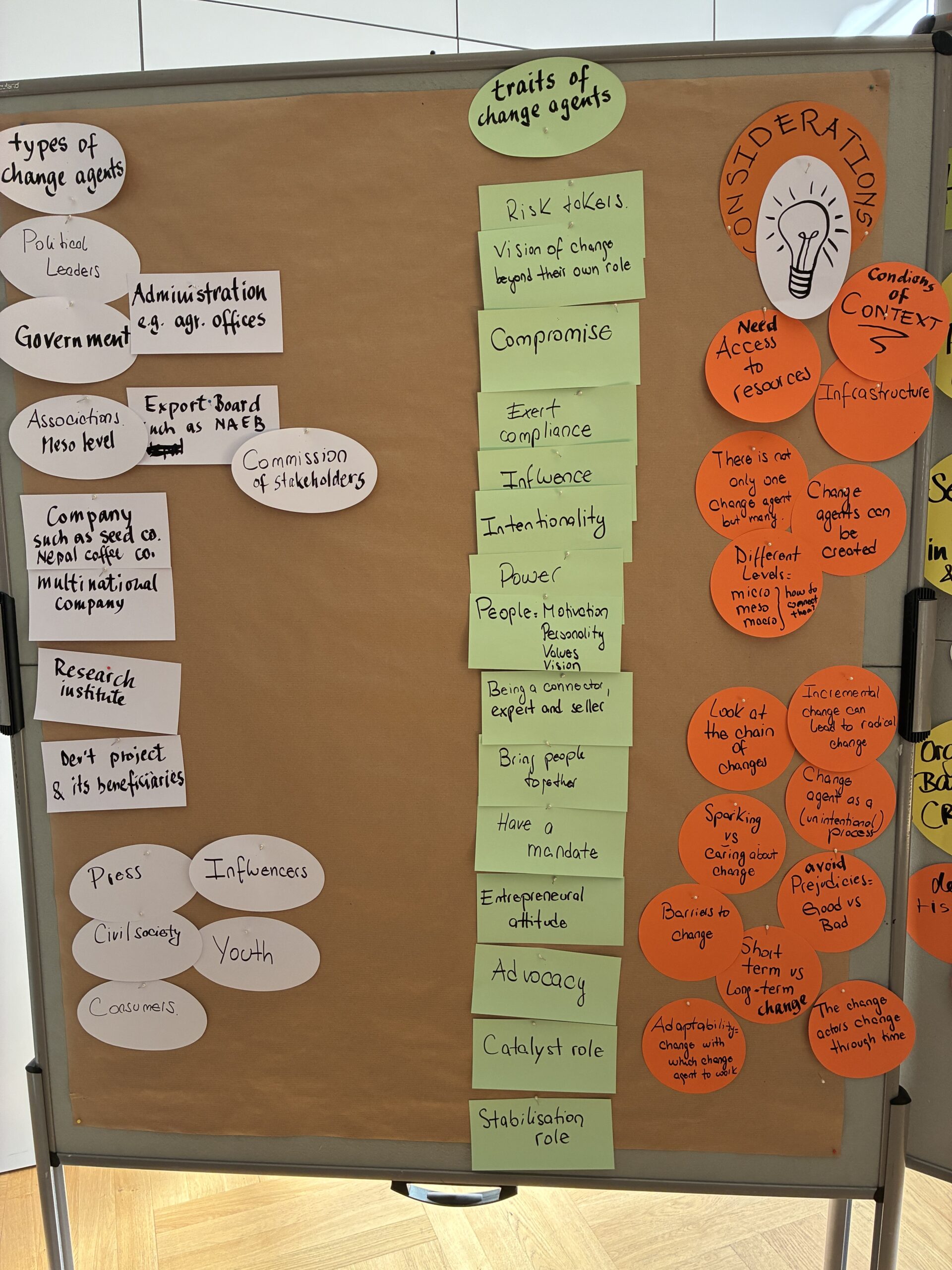
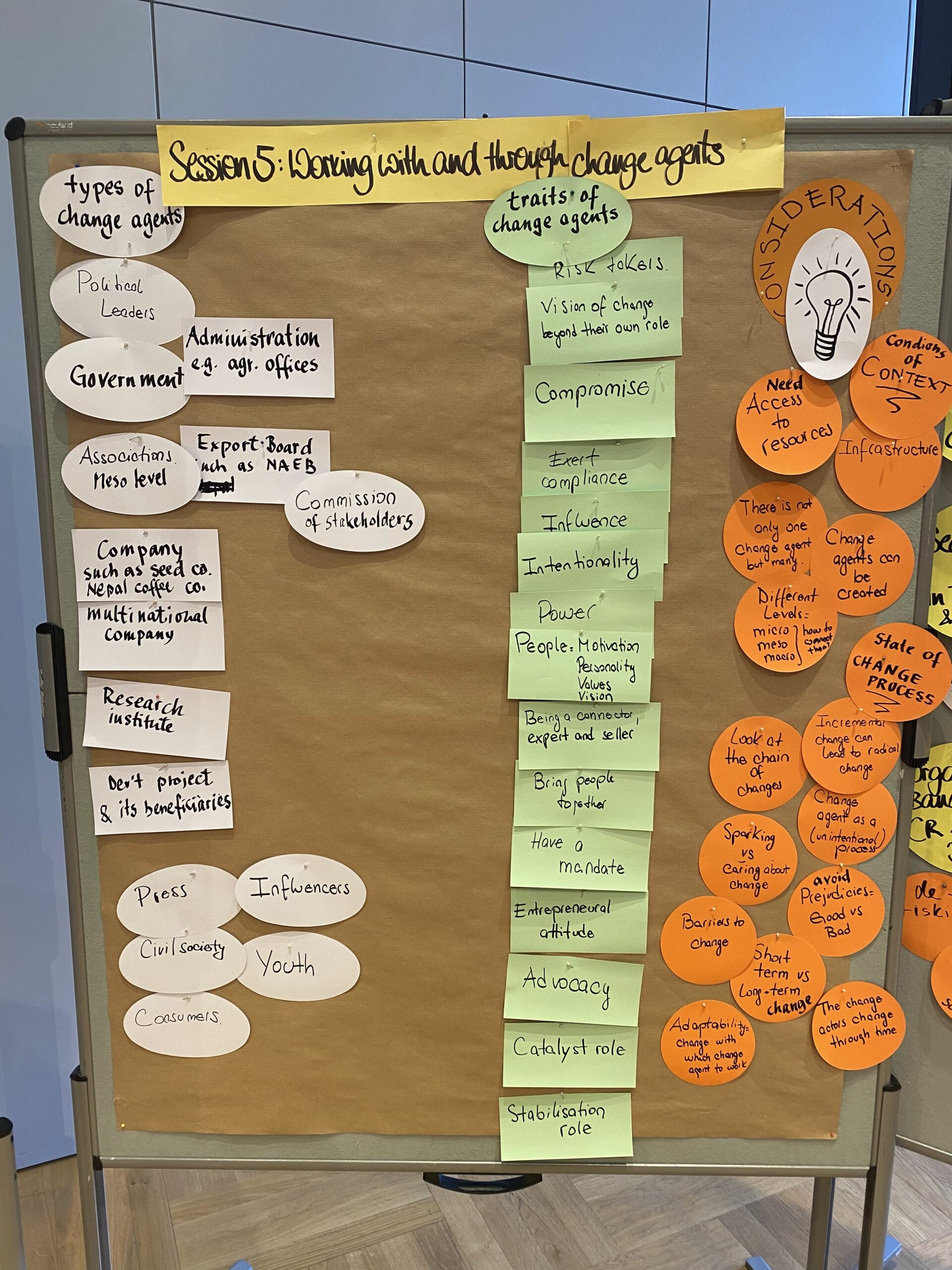
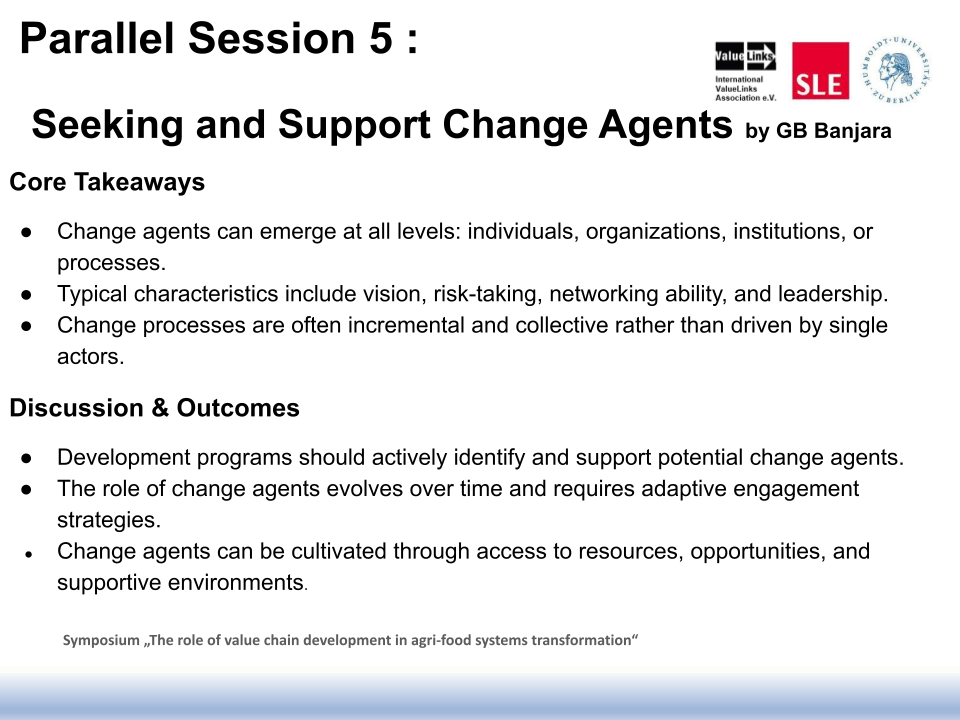
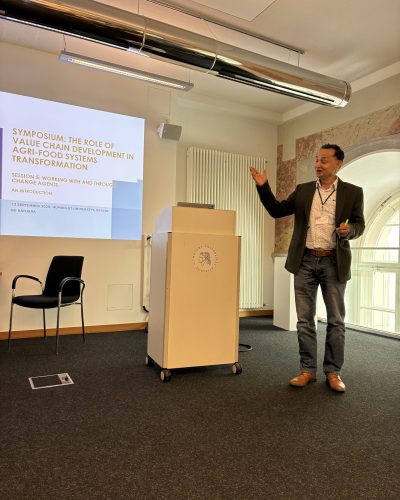
Session 5: Working with and through change agents
"Seeking and supporting change agents"
GB Banjara (Agriterra Uganda)
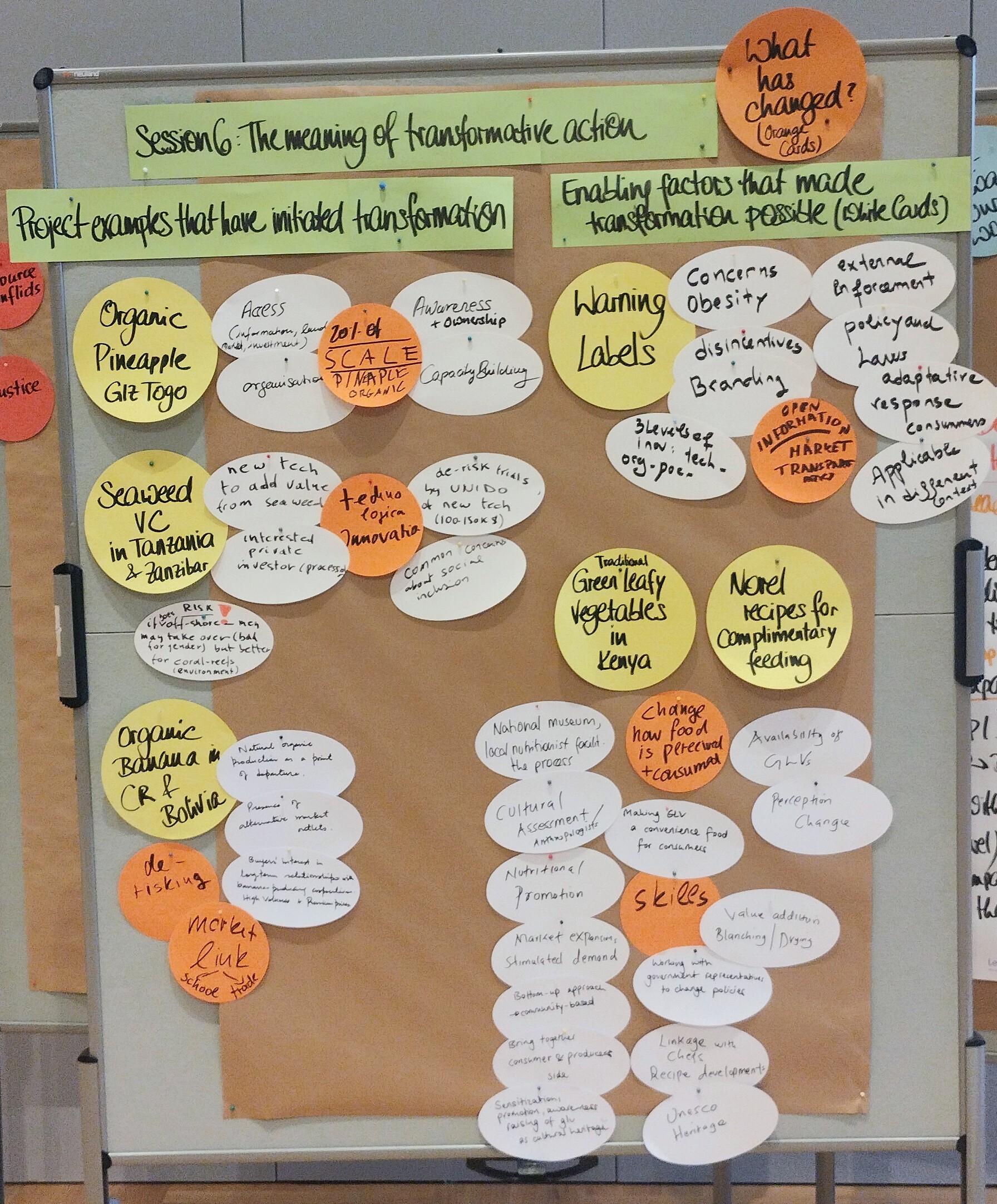
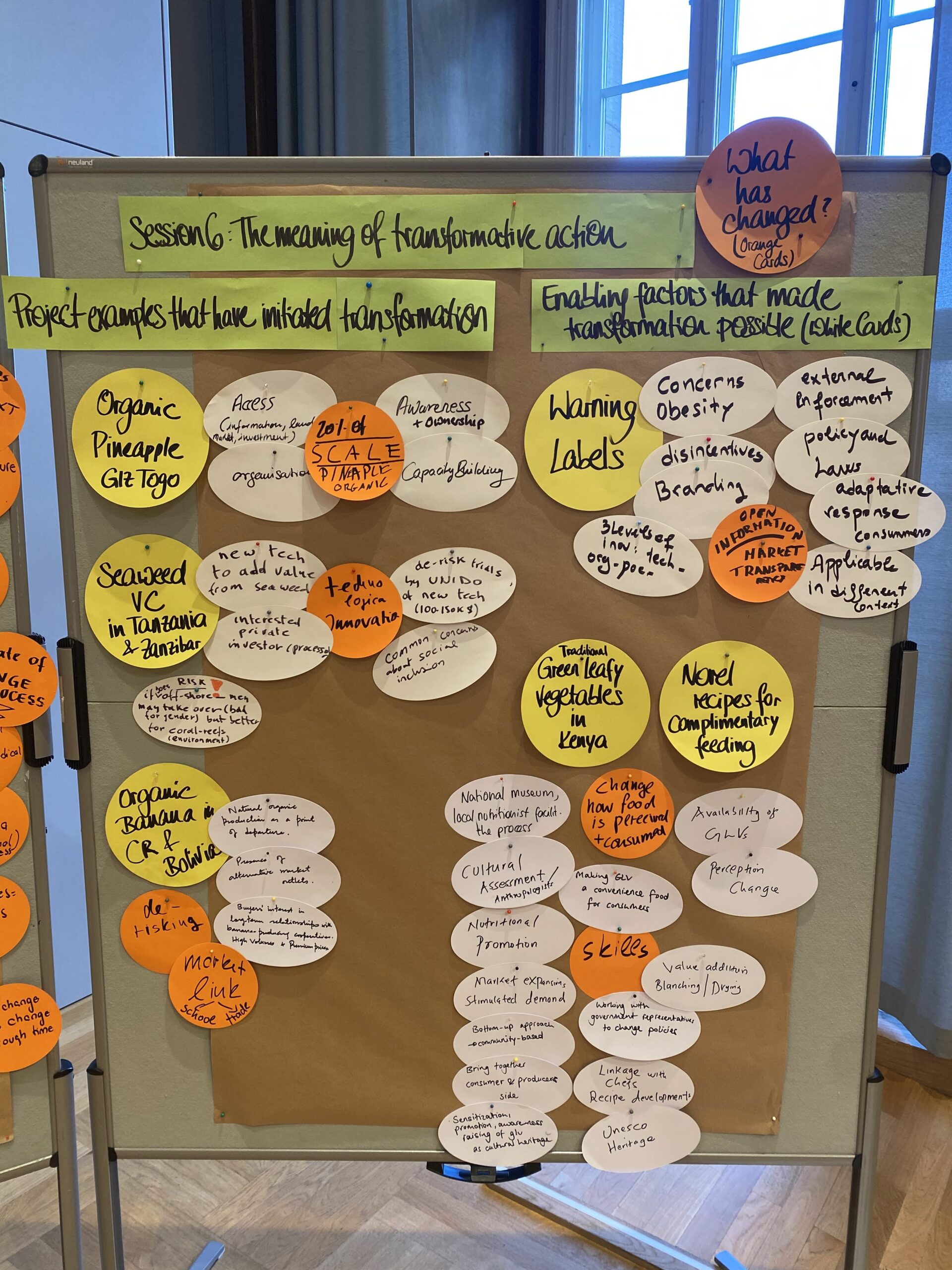
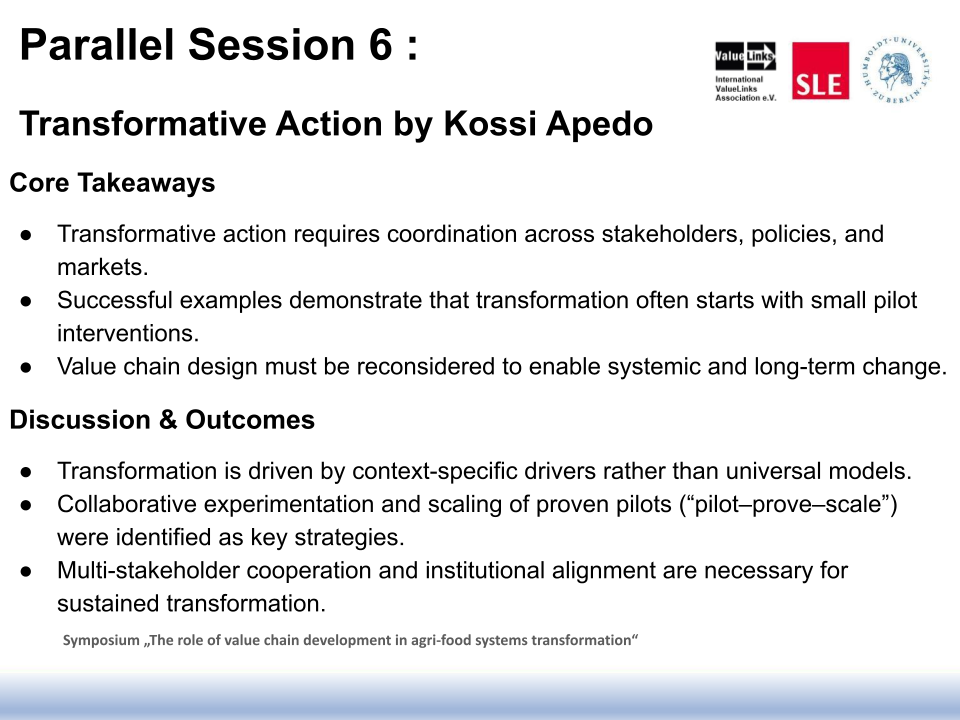
Session 6: The meaning of transformative action
"What makes action transformative?"
Kossi Apedo (GIZ Togo)

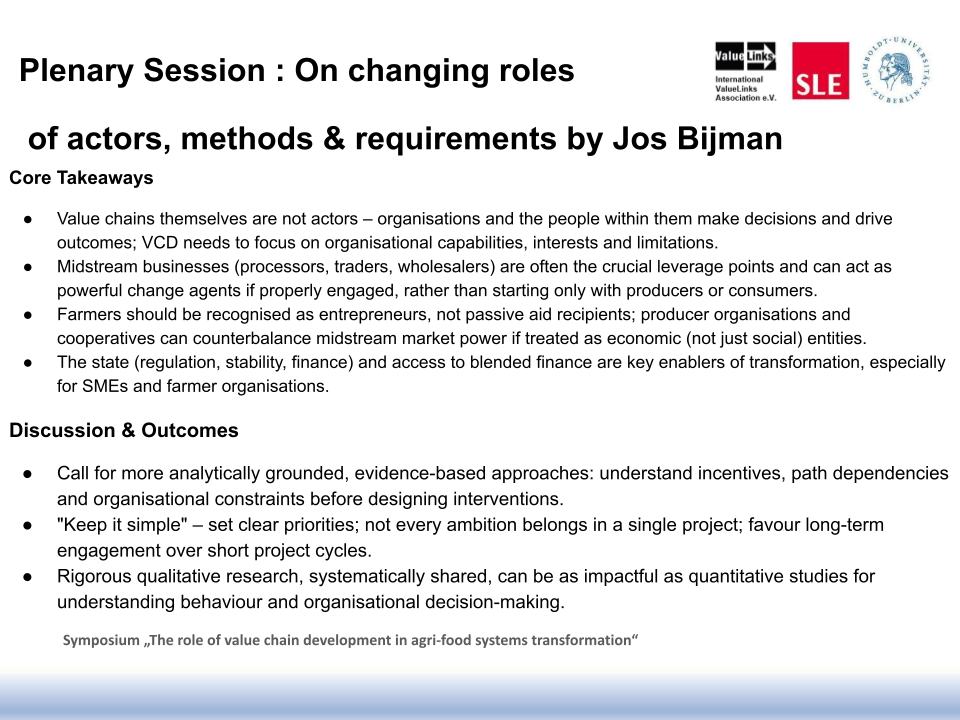
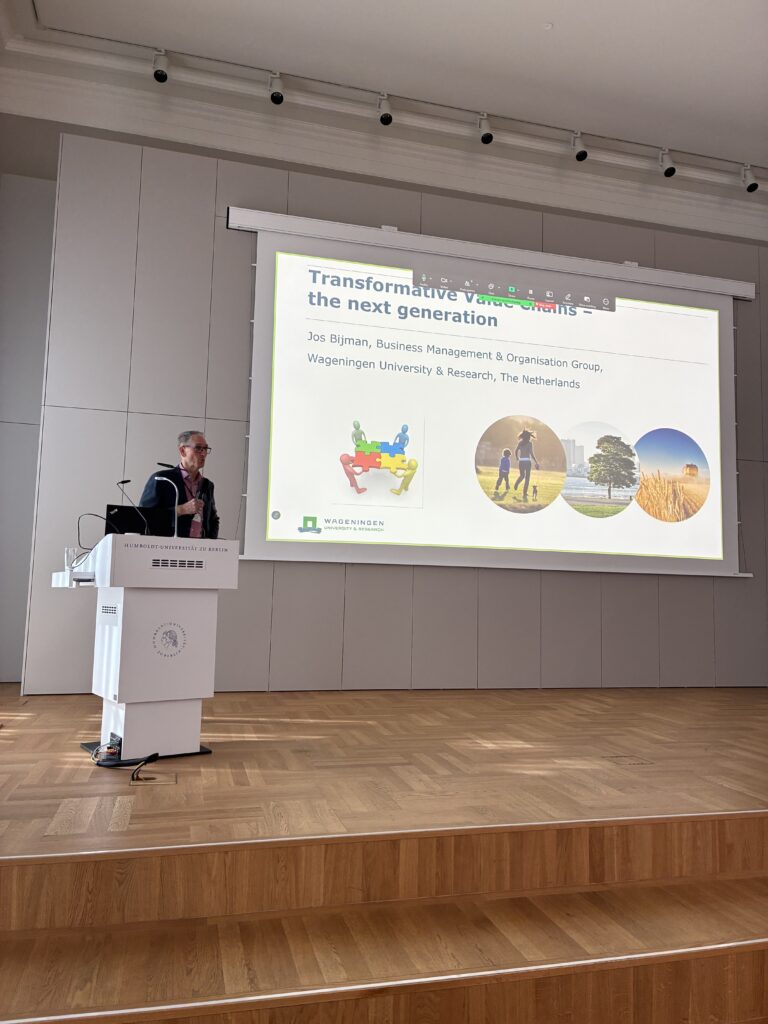
Plenary session
"On changing roles of actors, methods & requirements"
Jos Bijman (WUR Wageningen)
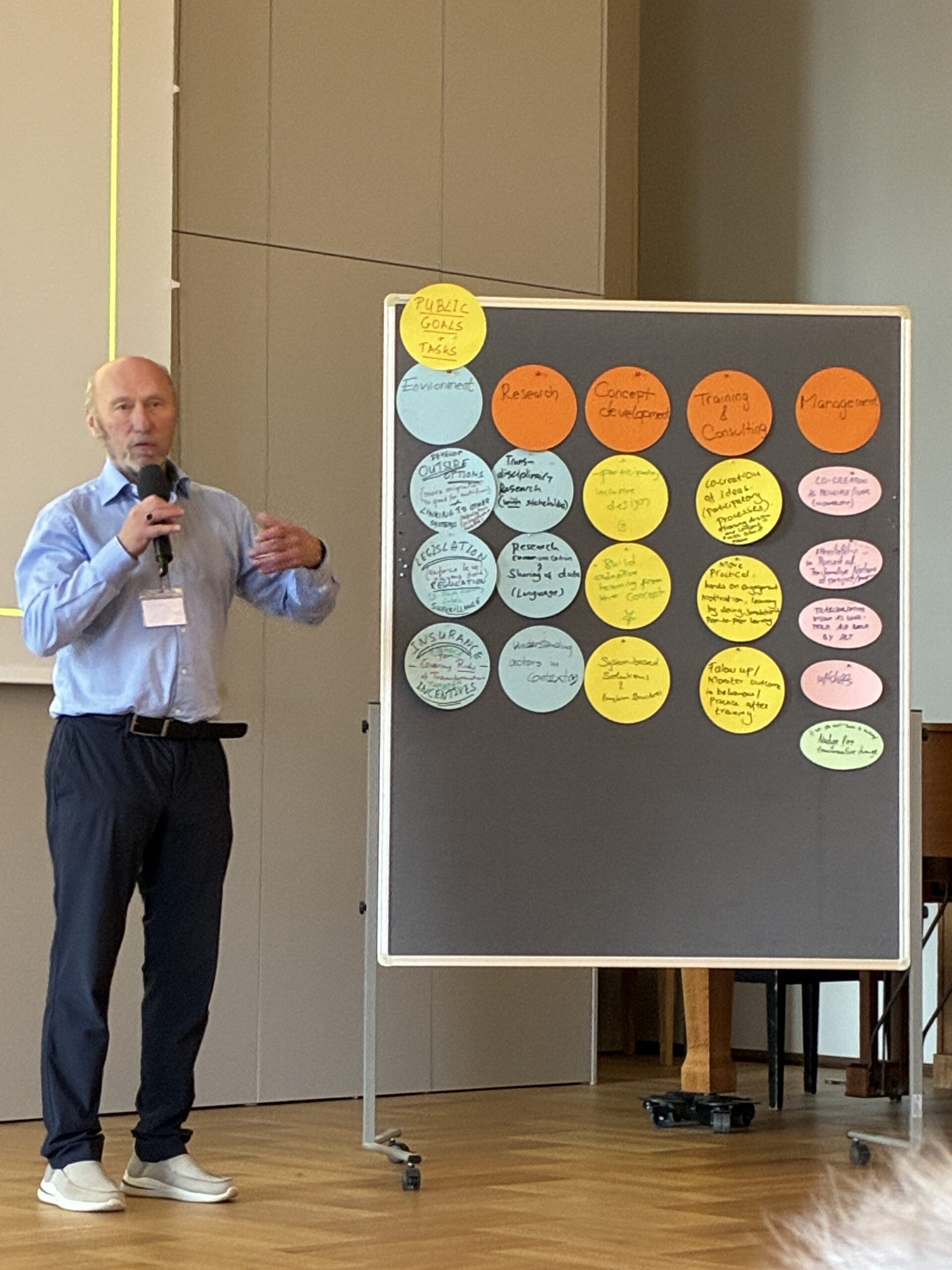
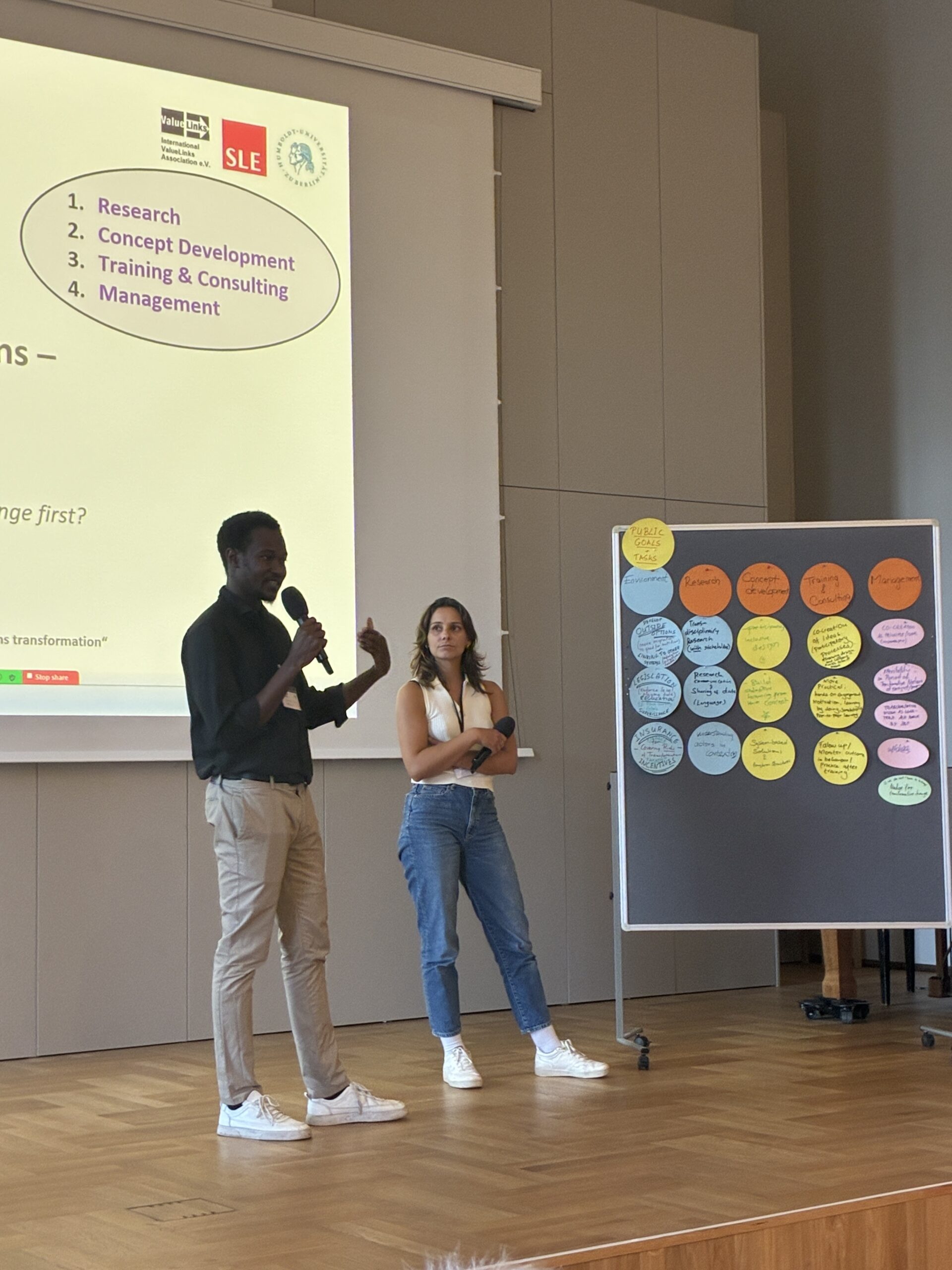
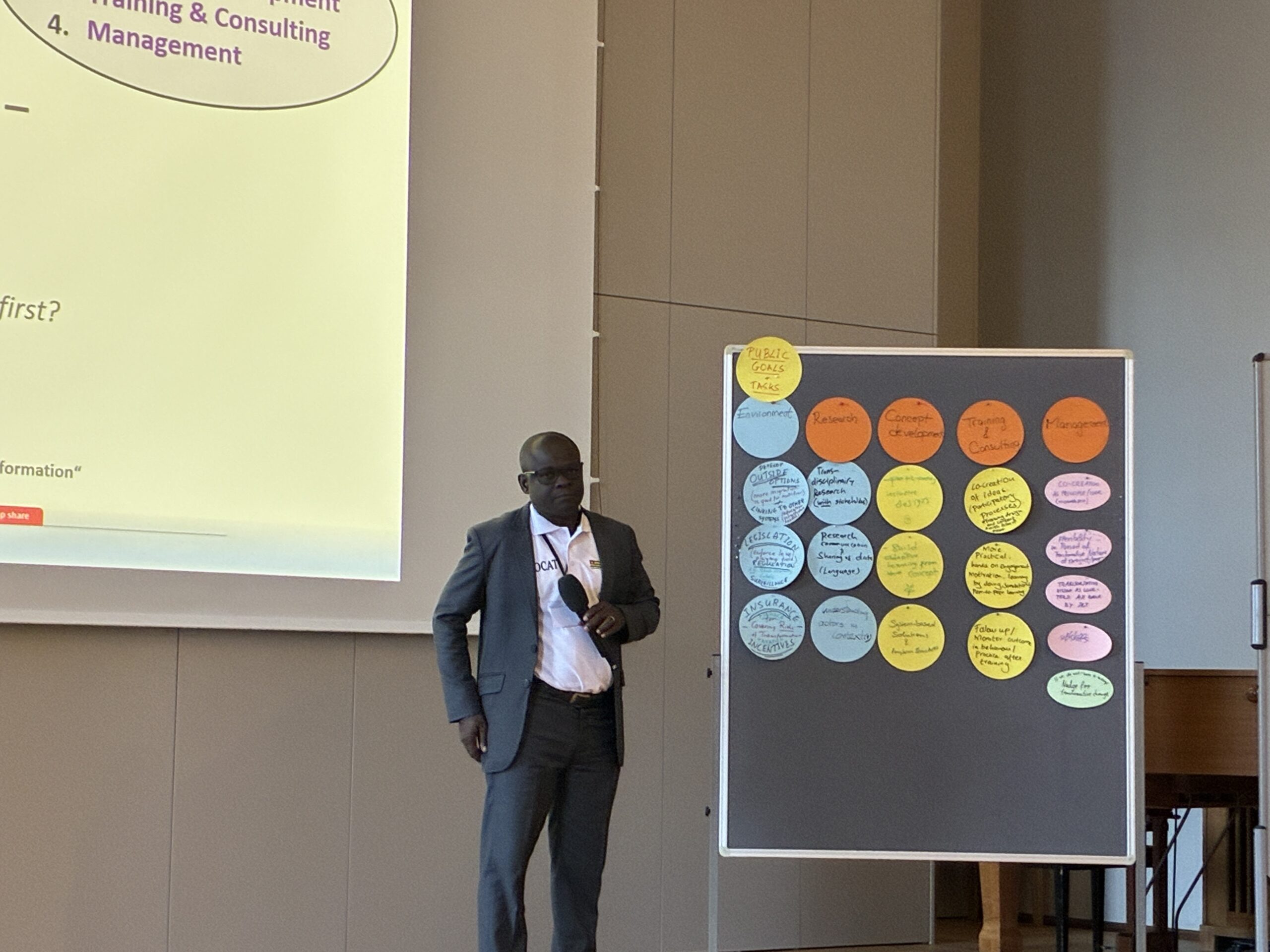
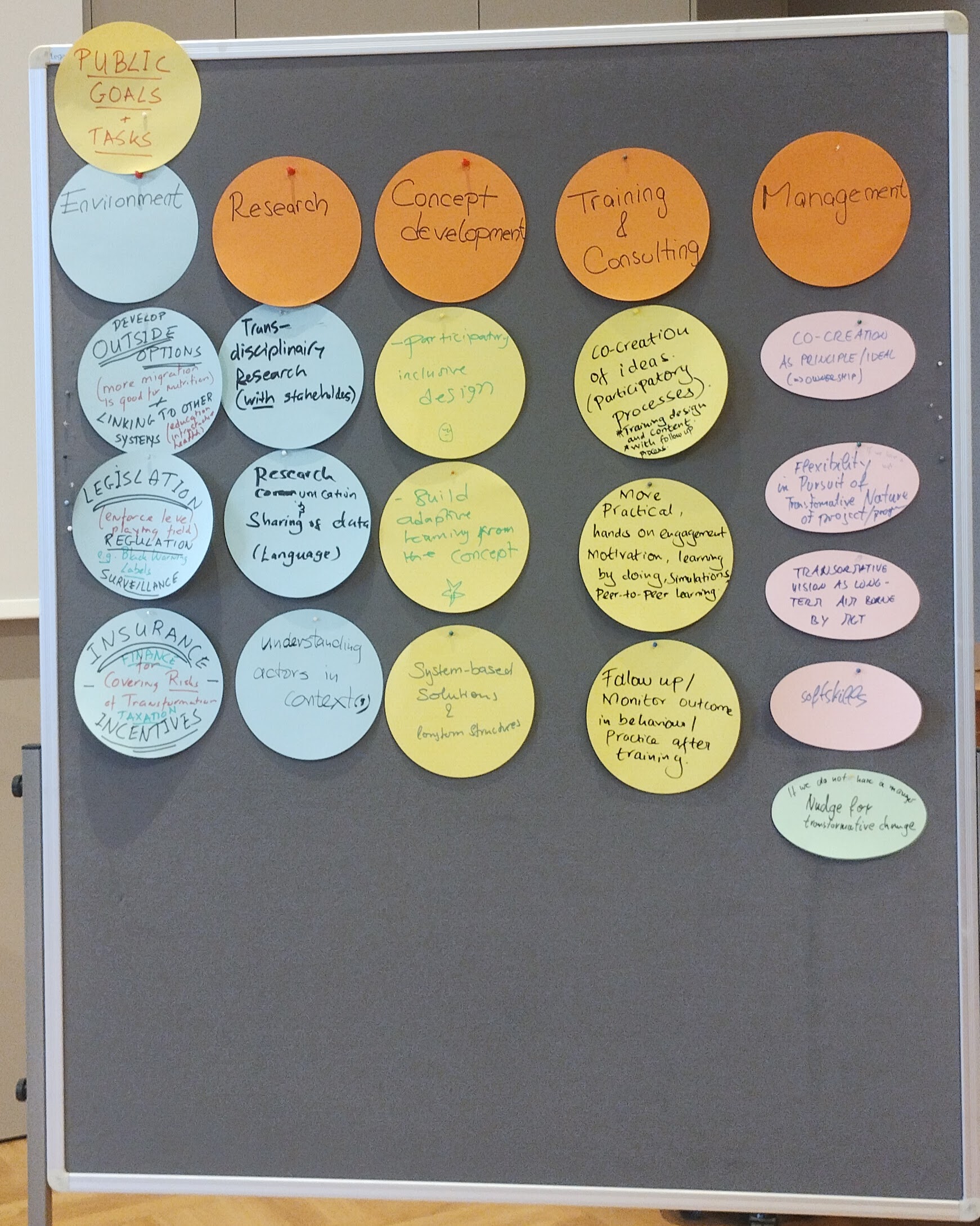
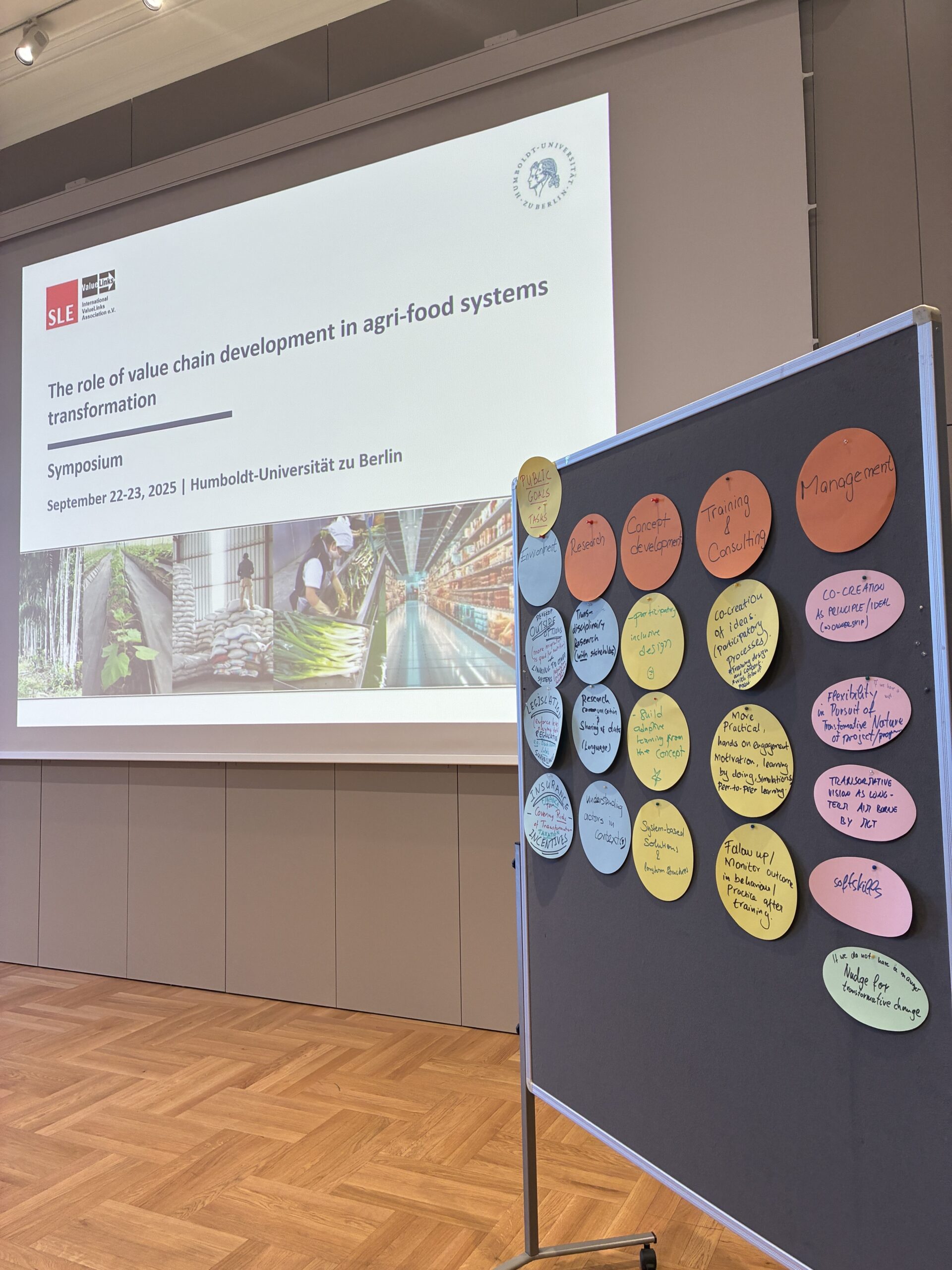
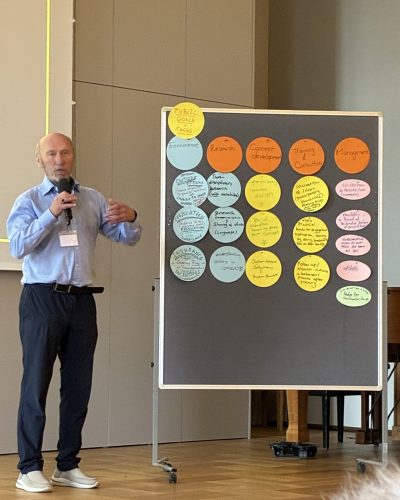
1st Plenary workshop
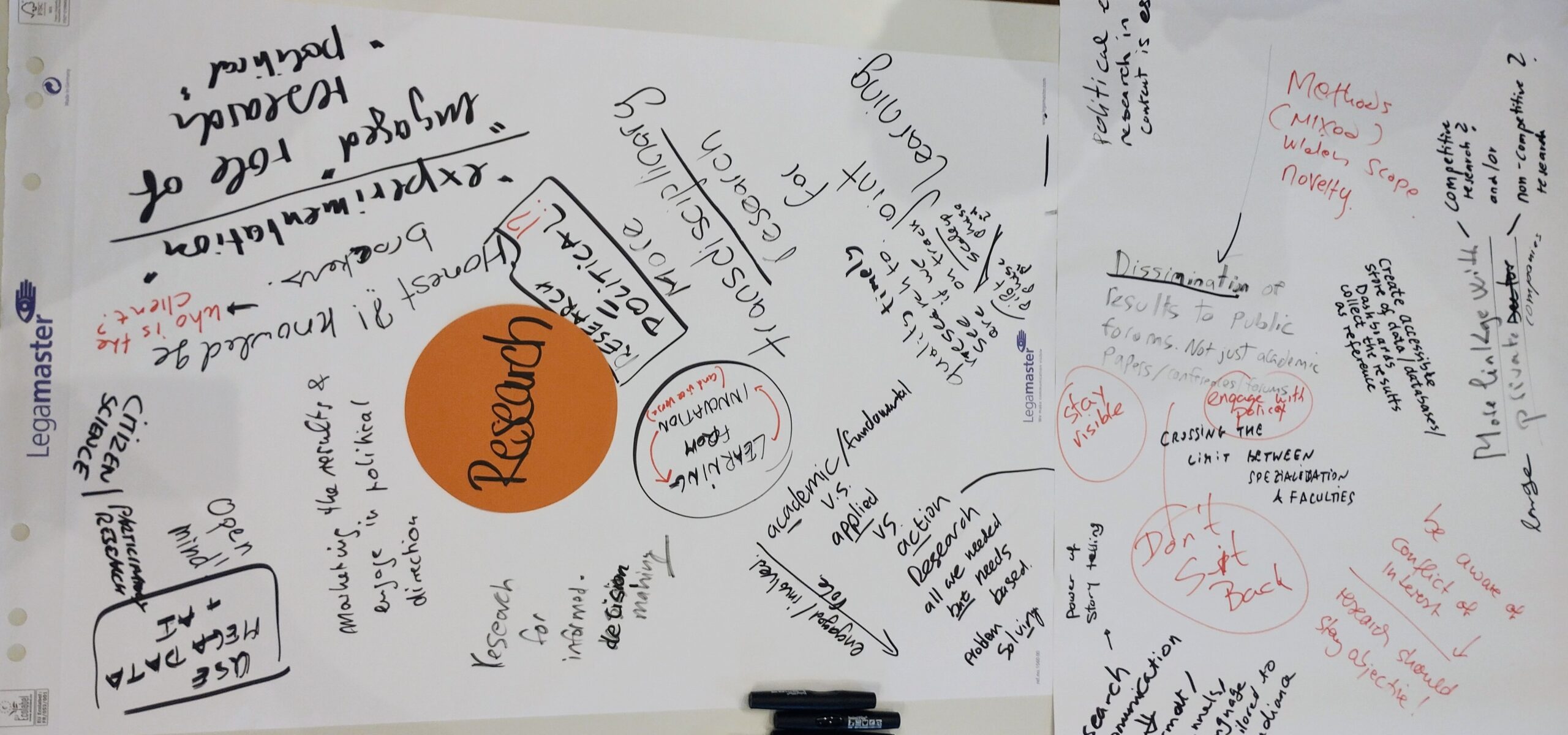
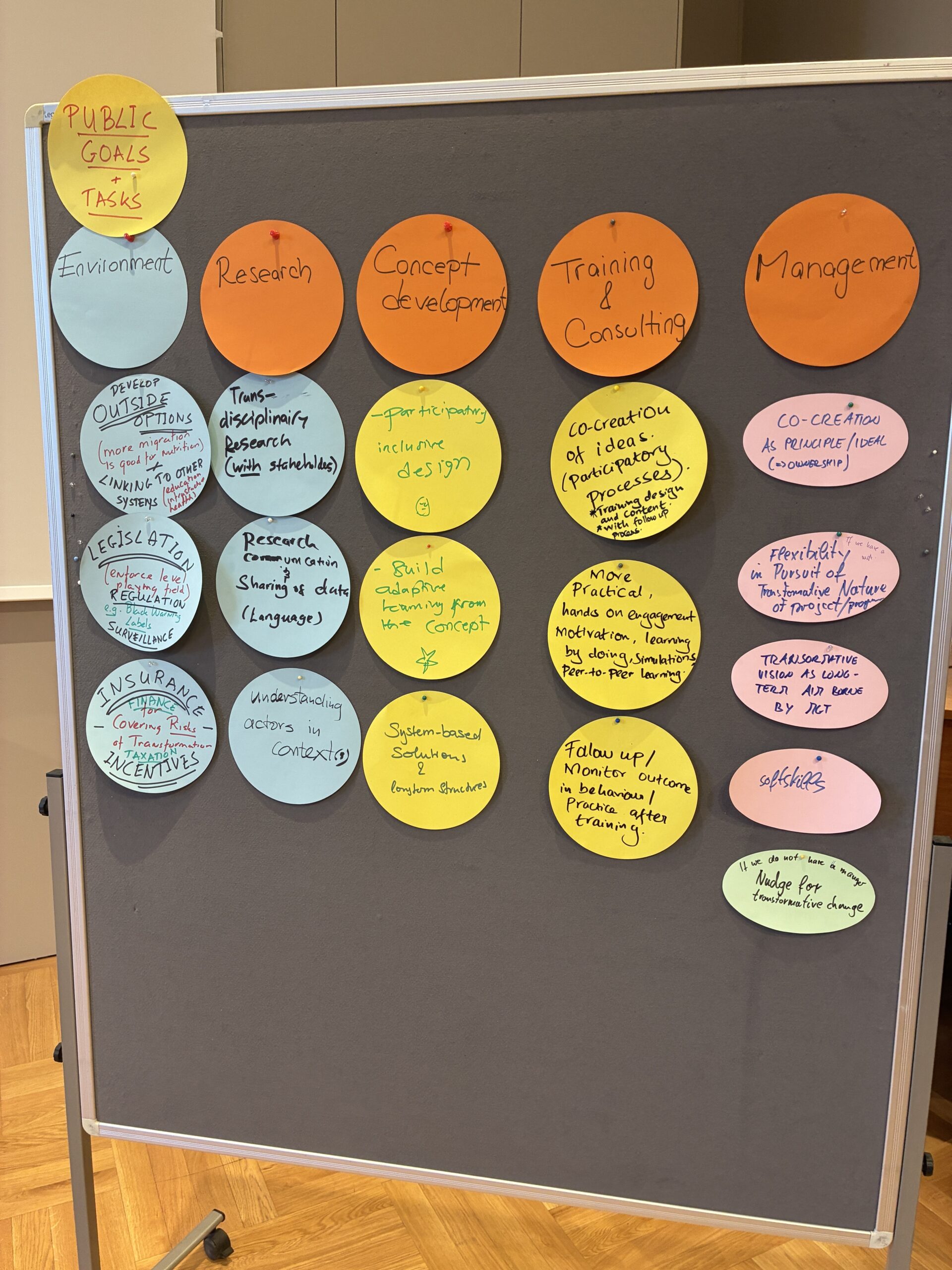
The (changing) roles of VC actors and activities
Public Policy
- Legislation & regulation (level playing field, e.g. warning
labels) - Finance & incentives (insurance, tax breaks, subsidies), and public
investment (education, research, health, infrastructure) - Priority entry points: legislation and education, supported by financial instruments and
cross-sector coordination
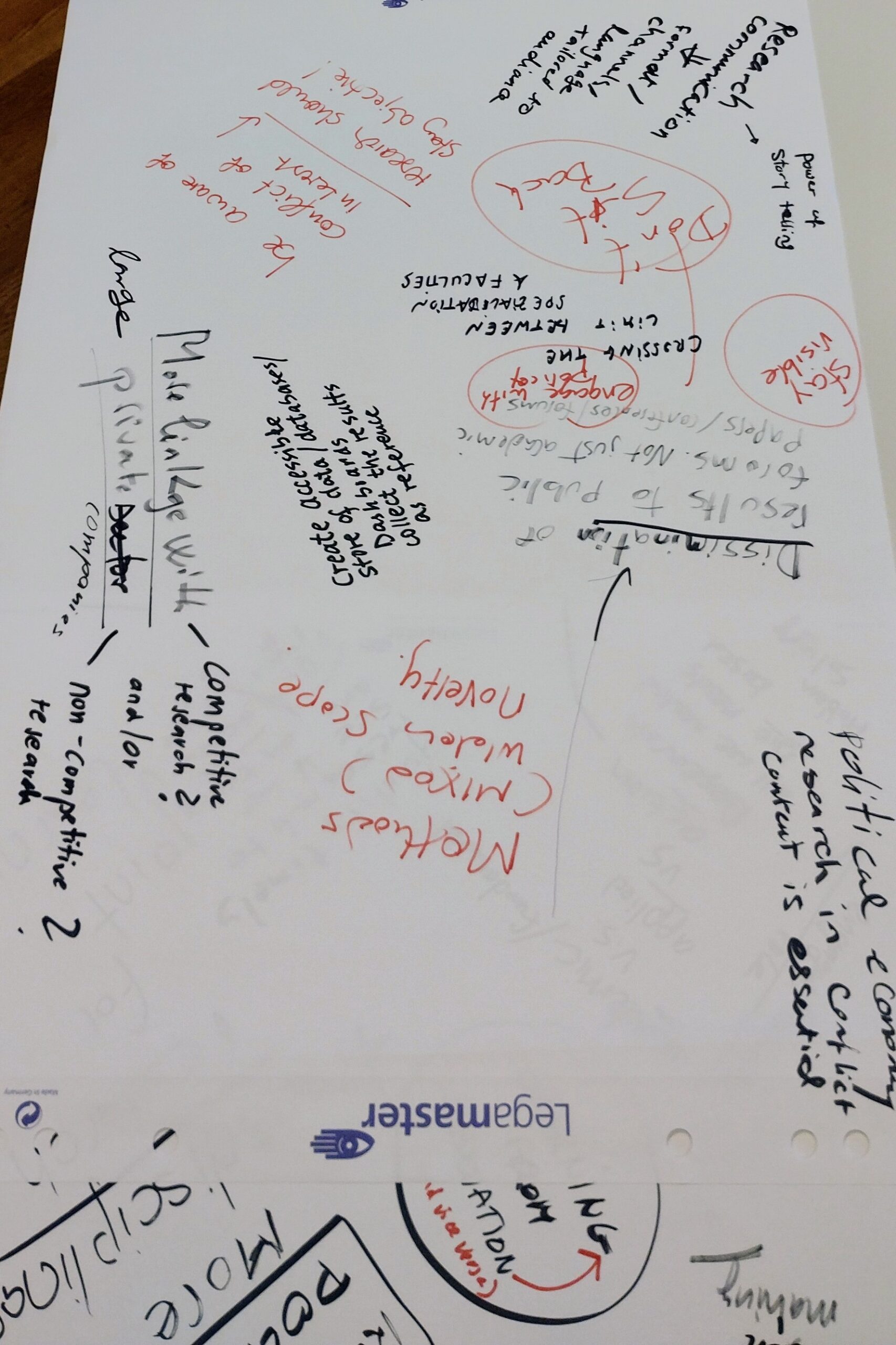
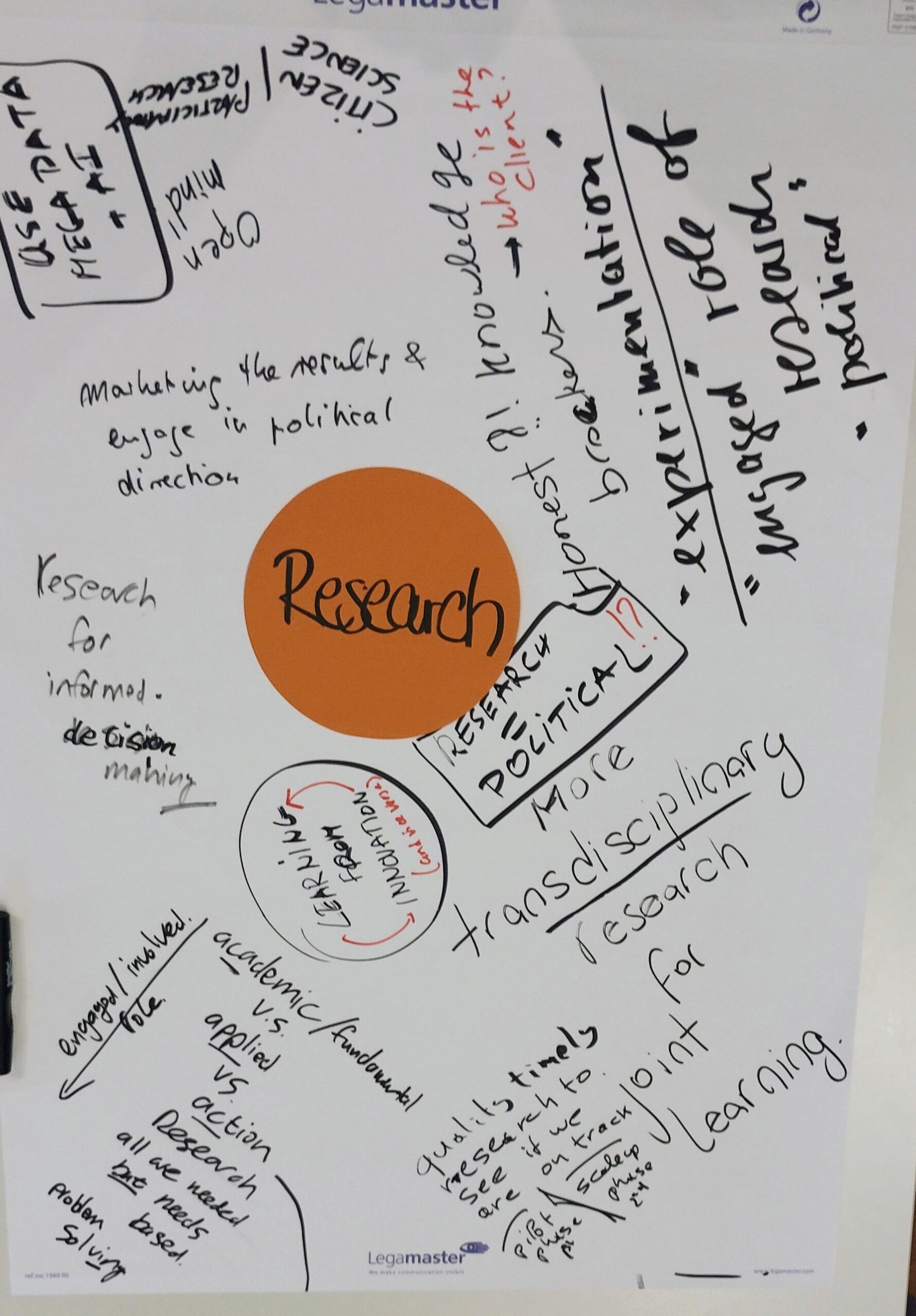
Research
- Transdisciplinary
- co-created research with stakeholders
- communication beyond academic journals (policy briefs, open-access data)
- understanding existing systems/incentives before designing interventions
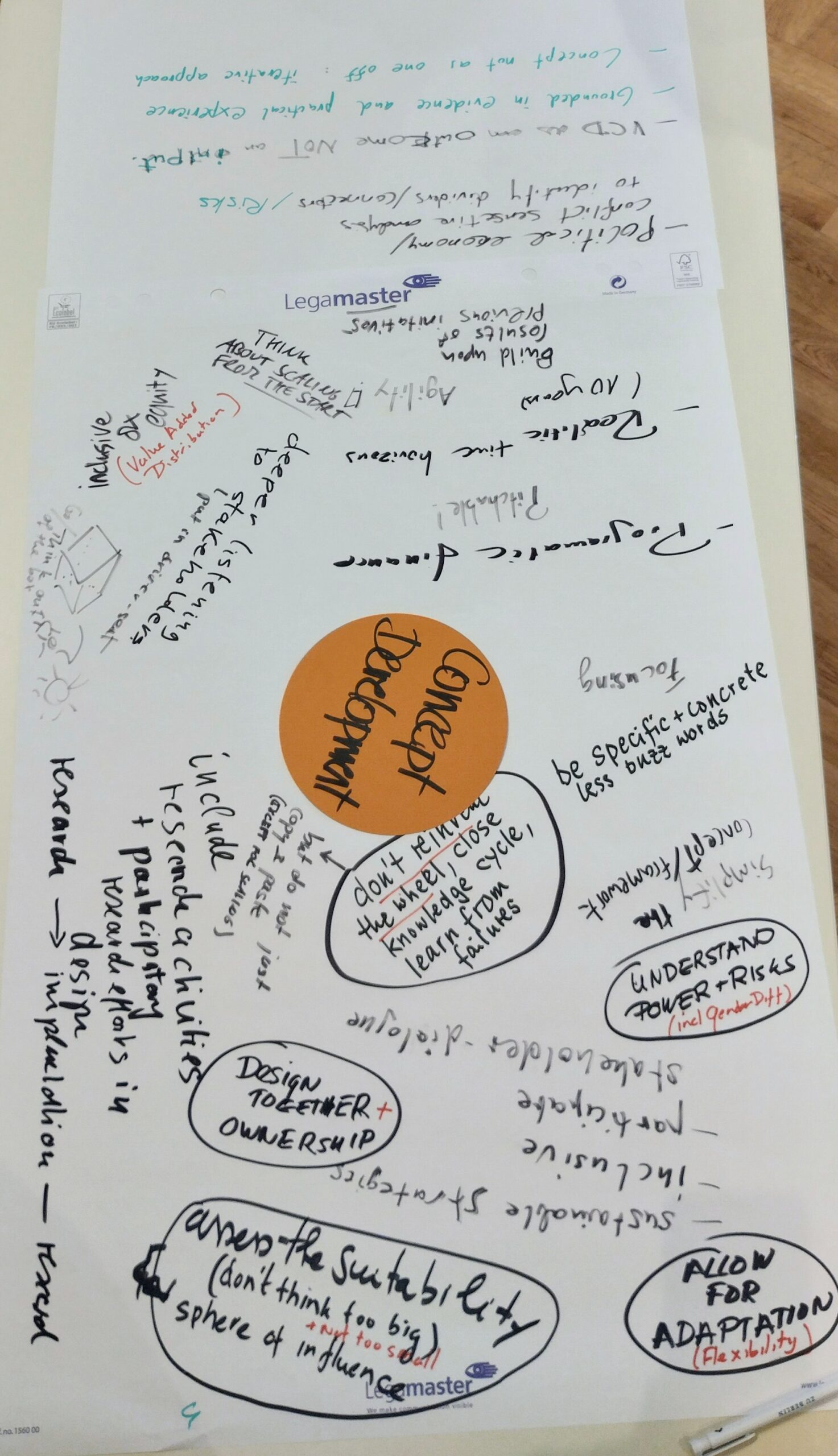
Concept Development
- Participatory
- inclusive design from the start;
- adaptive/iterative learning built into concepts
- system-based solutions
embedded in existing institutions for continuity beyond project duration
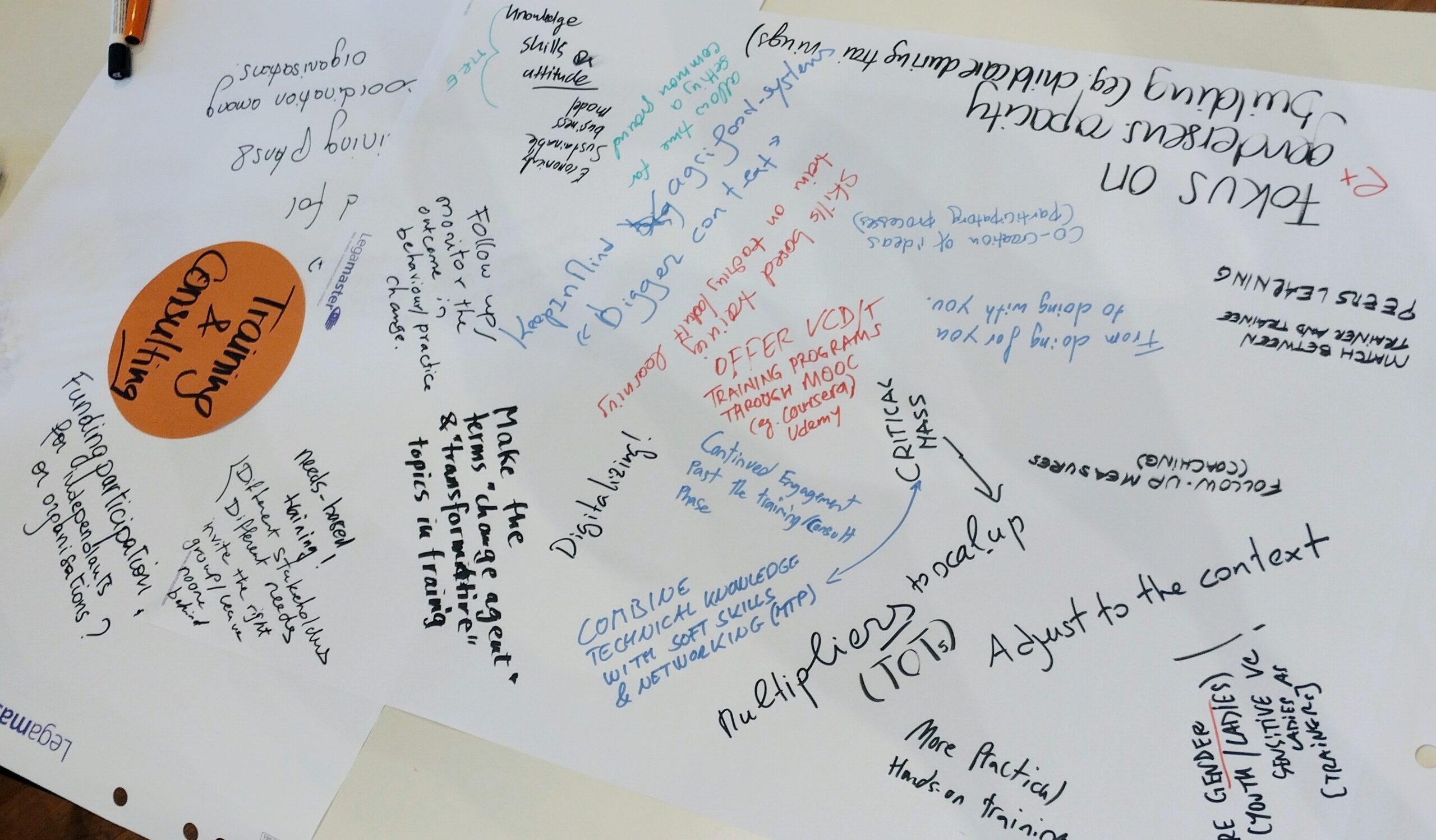
Training and Consulting
- Co-created training content with trainees
- practical, hands-on, task-oriented learning over long theory input
- structured follow-up to track behaviour change after training.
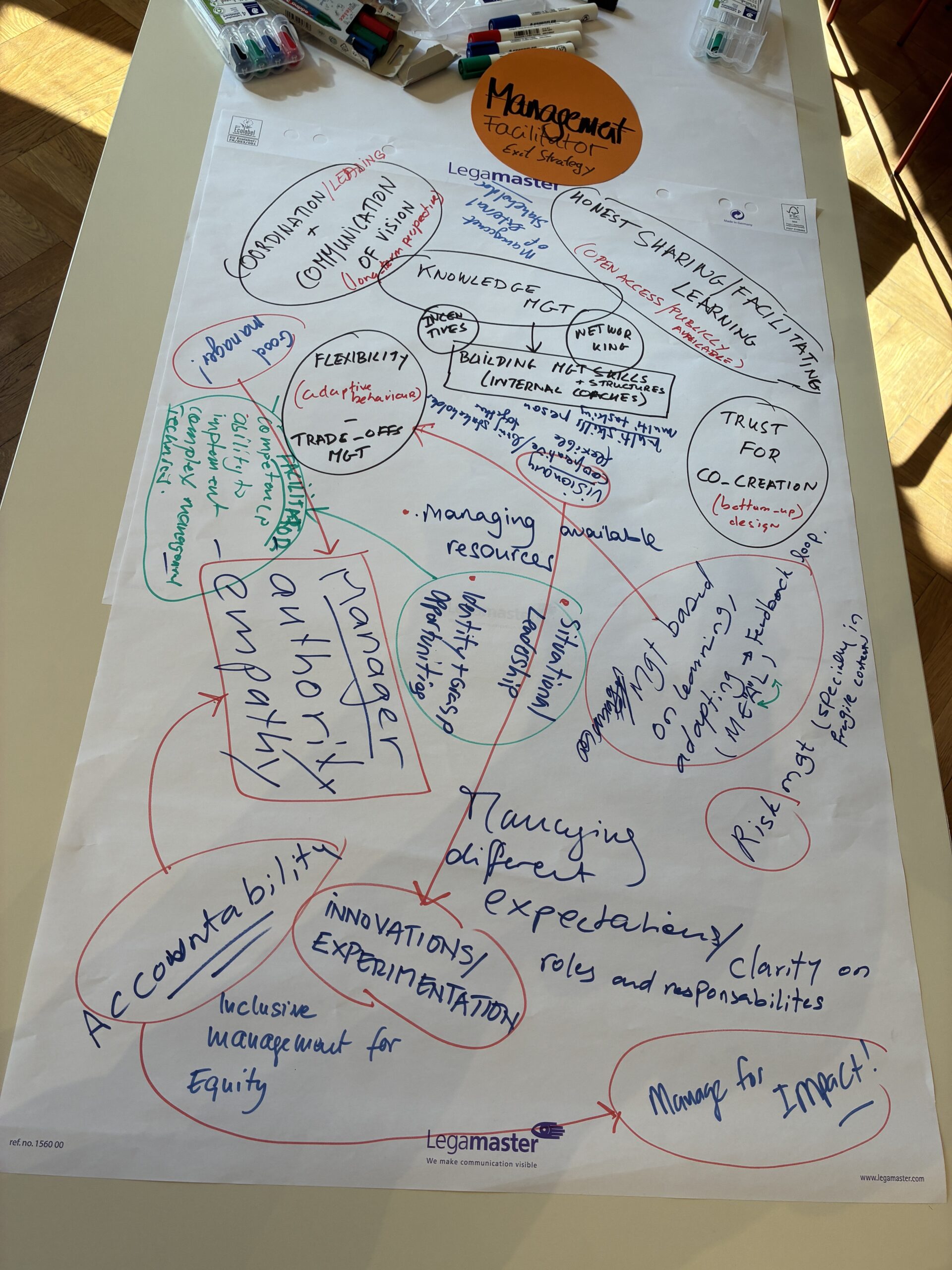
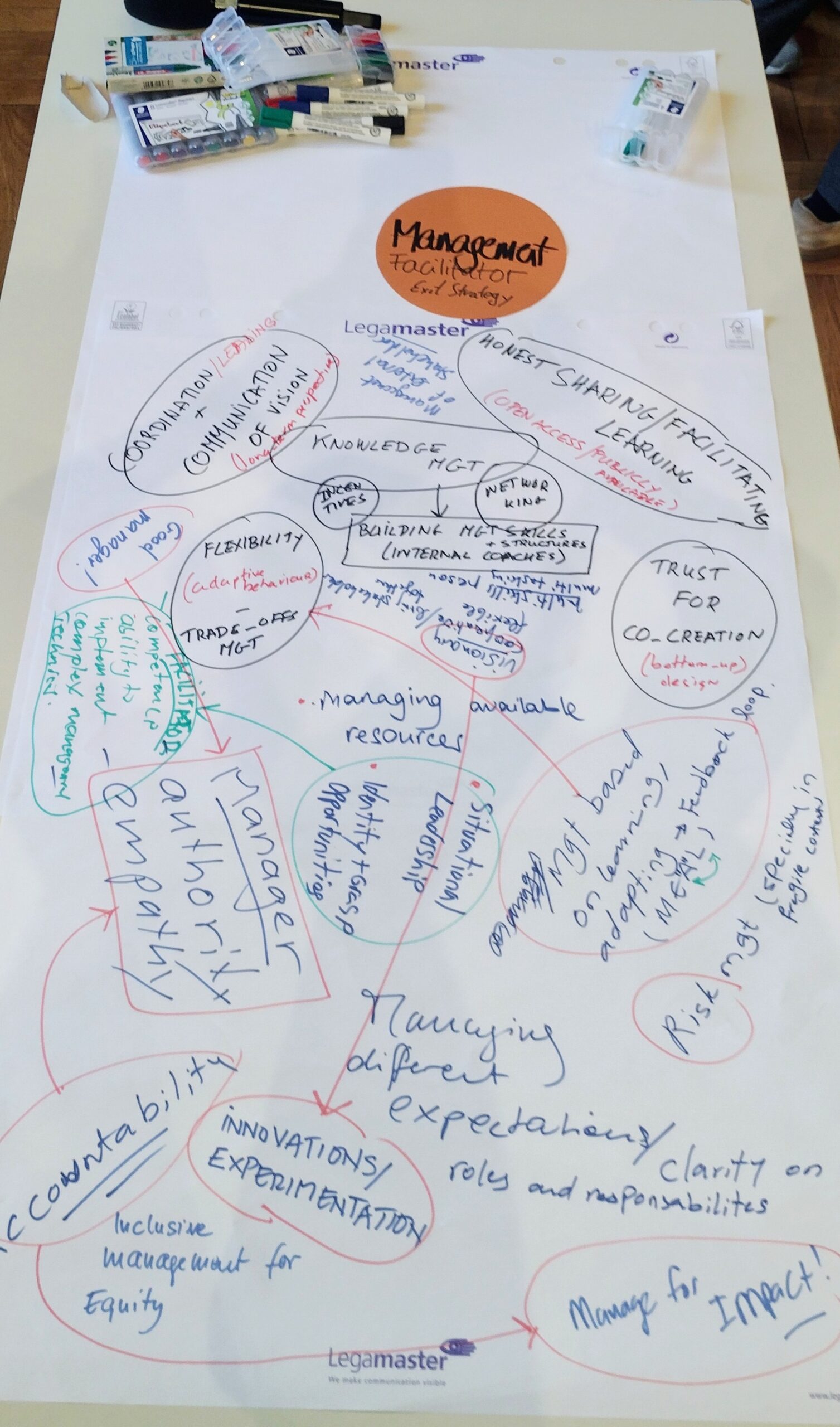
Program Management
- Co-creation as an ongoing management principle
(not just at design stage) - flexibility beyond rigid project boundaries
- long-term transformative vision
- strong soft/facilitation skills
- attention to economic sustainability of management functions once donor funding ends
2nd Plenary workshop
Guiding Principles for Future Value Chain Programs Designed to Drive AFS Transformation
Agri-food systems transformation is a genuinely „wicked problem“ – there is no single grand solution. Real change comes from many small, concrete improvements rather than one master plan („the whole is greater than the sum of its parts“).
Stay adaptive: react to opportunities, take chances, and look beyond a single value chain or landscape.
Co-creation is central – involve and support change agents and those actually doing the work, according to their role.
Make analysis, management and communication around AFS transformation understandable to a wide range of stakeholders, not just experts.
Value chains occupy the crucial „missing middle“ between the overarching agri-food system and concrete action on the ground – a useful, practical entry point for transformation.
The guiding concept for future programs: „transformative value chain development“ – staying holistic while accepting that any single intervention is only part of a gradual, larger process.
Outcomes